Normandy, in northern France, is a place of rich history and stunning views. It’s a spot where you can find unique attractions, from World War II memorials to beautiful coastlines. It’s a place that will capture your heart.
Visiting Normandy is like stepping back in time. You’ll see the famous D-Day beaches and medieval buildings. Normandy offers a travel experience that’s both cultural and natural. It’s perfect for those who love history, nature, and food.
Every street and beach in Normandy has a story to tell. Its diverse landscapes and cultural heritage make it a top choice for travelers. It’s a place where you can find depth and authenticity in your European journey.
Key Takeaways
- Discover World War II historical sites and memorials
- Experience stunning coastal and countryside landscapes
- Explore medieval towns with incredible architectural heritage
- Enjoy world-renowned French cuisine and local specialties
- Immerse yourself in a region with deep cultural significance
Discover the Historic D-Day Beaches
The Normandy coast is a powerful reminder of a major military event in history. These Beaches in Normandy tell a story of bravery, sacrifice, and freedom during World War II.

The D-Day landings turned these peaceful shores into key battlefields. Today, visitors can walk these grounds, feeling the deep history of each beach.
Omaha Beach and the American Cemetery
Omaha Beach was the toughest landing site on June 6, 1944. The steep cliffs and strong German defenses made it a place of great bravery and loss.
- Spans approximately 5 miles of coastline
- Witnessed most intense fighting during D-Day
- Memorial site honors over 9,000 American soldiers
Utah Beach: A Gateway to History
Utah Beach has a different story to tell. It saw a successful landing with fewer losses than Omaha Beach.
| Landing Details | Specifics |
|---|---|
| Landing Troops | 4th Infantry Division |
| Casualties | Significantly lower than other beaches |
| Strategic Importance | Critical access point for Allied forces |
Gold, Juno, and Sword Beaches: A Closer Look
The British and Canadian forces played key roles at these Beaches in Normandy. Each beach has its own story in the Allied invasion.
- Gold Beach: British forces landing site
- Juno Beach: Primary Canadian assault location
- Sword Beach: Eastern-most landing point
These beaches now serve as powerful memorials, reminding visitors of the immense human sacrifice during World War II.
Explore the Enchanting Mont Saint-Michel

Mont Saint-Michel is a stunning landmark in Normandy. It sits on a rocky island off the coast. This place draws millions every year with its medieval abbey and special location.
History and Architecture of the Abbey
The abbey started in the 8th century. Bishop Aubert of Avranches had a vision from God. Work began in 709 AD, turning a small church into a remarkable complex.
- Founded in 709 AD
- Constructed over multiple centuries
- Remarkable Gothic and Romanesque architectural styles
“A monument that seems to rise from the sea like a dream” – Victor Hugo
Best Times to Visit Mont Saint-Michel
Choosing the right time to visit is key. Spring and early autumn are best. They have nice weather and fewer people.
- April to May: Mild weather
- September to October: Fewer tourists
- Avoid peak summer months
Tips for Navigating the Island
Visiting Mont Saint-Michel needs comfy shoes and planning. The island’s streets and stairs are steep. But, the views and history make it all worth it.
- Wear comfortable walking shoes
- Check tide schedules
- Book guided tours in advance
- Arrive early to avoid crowds
This UNESCO World Heritage site is a journey through history and beauty. It’s a top spot for Normandy sightseeing.
Savor Local Cuisine: Normandy’s Culinary Delights
Normandy is a food lover’s dream in France. It offers a mix of traditional and new tastes that show off French cooking at its best.

Normandy is more than just history; it’s also known for its food. You can dive into a world of amazing flavors that come from the land and sea.
Iconic Dishes to Try: Camembert and Cider
The area is famous for its Camembert cheese and apple cider. These are made with old methods by local experts. A trip to a Norman fromagerie lets you taste the local culture.
- Fresh Camembert with crusty bread
- Local apple cider varieties
- Calvados apple brandy tastings
Where to Find the Best Seafood
Coastal places like Honfleur and Trouville-sur-Mer are great for seafood. You can try fresh oysters, mussels, and fish dishes.
Bistros and Restaurants Not to Miss
Normandy has many places to eat. You can find cozy bistros and Michelin-starred restaurants to try local dishes.
- La Normande in Rouen
- Le Bréard in Honfleur
- Restaurant Paul in Bayeux
Wander Through Rouen: A City of Art and History
Rouen is in the heart of Normandy, known for its medieval architecture and history. It’s a city that takes you back in time. Here, you’ll find some of the most amazing Normandy historic sites and landmarks.

The Stunning Rouen Cathedral
The Rouen Cathedral is a Gothic architecture marvel. Claude Monet’s paintings made it famous. It shows the skill of medieval craftsmen.
When you visit, you can see:
- Soaring Gothic spires reaching toward the sky
- Elaborate stone carvings depicting biblical scenes
- Stunning stained glass windows filtering colorful light
Explore the Giant Clock: Gros Horloge
The Gros Horloge is a key landmark in Rouen’s historic center. This astronomical clock is from the 14th century. It’s a marvel of medieval engineering.
Its Renaissance arch and detailed mechanism are a sight to see. They amaze both tourists and history lovers.
Discover Joan of Arc’s History in Rouen
Rouen is important in Joan of Arc’s story. The city where she was tried and executed now honors her memory. You can visit:
- The Joan of Arc Museum
- The spot where she was martyred
- Memorial churches dedicated to her legacy
Walking through Rouen’s streets feels like stepping back in time. Every corner tells a piece of France’s history.
Visit the Picturesque Town of Honfleur
Nestled along the coast of Normandy, Honfleur is a gem for Normandy sightseeing. It charms travelers with its maritime beauty. This historic port town offers a peek into northern France’s rich culture, making it a top Normandy attraction.

Exploring the Vieux Bassin (Old Dock)
The Vieux Bassin is Honfleur’s heart. It’s surrounded by slate-covered houses and colorful wooden buildings. Here, visitors can:
- Admire the picturesque waterfront architecture
- Watch traditional boats gently bobbing in the water
- Enjoy waterside cafes and restaurants
Art Galleries and Museums of Honfleur
Honfleur is known for its artistic legacy. It has inspired many painters, including Claude Monet. Key cultural spots include:
- Eugène Boudin Museum
- Maisons Satie
- Local art galleries showing regional artists
| Museum | Specialty | Notable Features |
|---|---|---|
| Eugène Boudin Museum | Impressionist Art | Largest collection of local artworks |
| Maisons Satie | Musical Heritage | Dedicated to composer Erik Satie |
Local Shops and Artisan Markets
The town’s markets and shops offer a true Norman experience. Visitors can find unique local products such as:
- Handcrafted marine souvenirs
- Local cheeses and calvados
- Artisan textiles and ceramics
Exploring these markets is a great way to dive into Normandy’s lively local culture and craftsmanship.
Discover the Charm of Deauville and Trouville
Deauville and Trouville are along the stunning Beaches in Normandy. They offer a unique coastal experience. This mix of sophistication and natural beauty makes them top Normandy attractions.

These towns share a special maritime spirit. Deauville and Trouville have historic architecture, beautiful beaches, and lively entertainment.
Beaches and Boardwalks: A Coastal Experience
The wooden boardwalks in these towns are famous. Visitors can walk along Les Planches and see beach cabins. They can also enjoy the sea views.
The sandy beaches are great for:
- Sunbathing
- Water sports
- Photography
- Seaside walks
The Casino: Glamour and Entertainment
Deauville’s casino is a top spot for fun. It’s known for glamour and excitement. Here, you can find:
| Casino Features | Entertainment Options |
|---|---|
| Elegant Gaming Rooms | Slot Machines |
| High-End Poker Tables | Roulette |
| Spectacular Architecture | Live Performance Spaces |
Annual Events and Festivals to Enjoy
Deauville and Trouville host many festivals. The Deauville American Film Festival and Trouville’s Gourmet Festival attract visitors worldwide. These events make the Beaches in Normandy lively.
Looking for relaxation, fun, or culture? Deauville and Trouville offer an amazing trip. They are the best coastal towns in Normandy.
Tour the Breathtaking Cliffs of Étretat

Étretat is a gem on France’s northern coast. It’s a top Normandy landmark known for its natural beauty. The white chalk cliffs are a sight to behold, inspiring many artists and photographers.
Hiking Trails with Spectacular Views
In Étretat, hiking is a must-do activity. The trails offer stunning views of the coastline. There are several routes to explore, each showing off the area’s beauty.
- Coastal Path Trail (Moderate difficulty, 2-3 hours)
- Cliff Top Circuit (Challenging, 4-5 hours)
- Sunset Viewpoint Route (Easy, 1-2 hours)
The Iconic Needle and Arch: Nature’s Artwork
The Needle and the natural arch are Étretat’s crowning jewels. These rock formations were shaped by wind and waves over time. They create a seascape that looks almost magical.
| Rock Formation | Height | Unique Feature |
|---|---|---|
| The Needle | 70 meters | Tallest standing rock formation |
| The Arch | 55 meters | Natural stone bridge formation |
Local Legends and Myths Surrounding Étretat
Étretat’s cliffs are filled with local legends. Stories of hidden treasures and maritime mysteries abound. These tales add to the cliffs’ mystique, making them even more special.
“The cliffs of Étretat are not just a landscape, but a canvas of nature’s most extraordinary artwork.” – Local Normandy Guide
Uncover the History of Bayeux
Bayeux is in the heart of Normandy, a top spot for history lovers. This town is filled with French and Norman history. It’s known for its medieval finds and World War II stories, making it a key Normandy site.
The Bayeux Tapestry: A UNESCO Treasure
The Bayeux Tapestry is a unique piece of history. This 230-foot embroidered cloth tells the story of William the Conqueror’s invasion of England in 1066. It’s a detailed look at medieval history.
- Created in the 11th century
- Nearly 230 feet long
- Depicts the Norman Conquest of England
- Recognized as a UNESCO World Heritage artifact
Bayeux Cathedral: A Gothic Masterpiece
The Bayeux Cathedral is a stunning mix of Norman-Romanesque and Gothic styles. Built in the 11th century, it has seen many historical events. It’s a symbol of Normandy’s architectural beauty.
The WWII Museum: Reflecting on History
The Musée Mémorial de la Bataille de Normandie is a moving museum. It dives deep into World War II history. The exhibits show the area’s role in the D-Day landings and liberation.
- Detailed World War II exhibits
- Original military equipment
- Personal stories from veterans
- Educational multimedia displays
“Bayeux represents a living museum of French history, connecting visitors to remarkable stories spanning centuries.” – Local Historian
Embrace Nature in the Countryside of Normandy
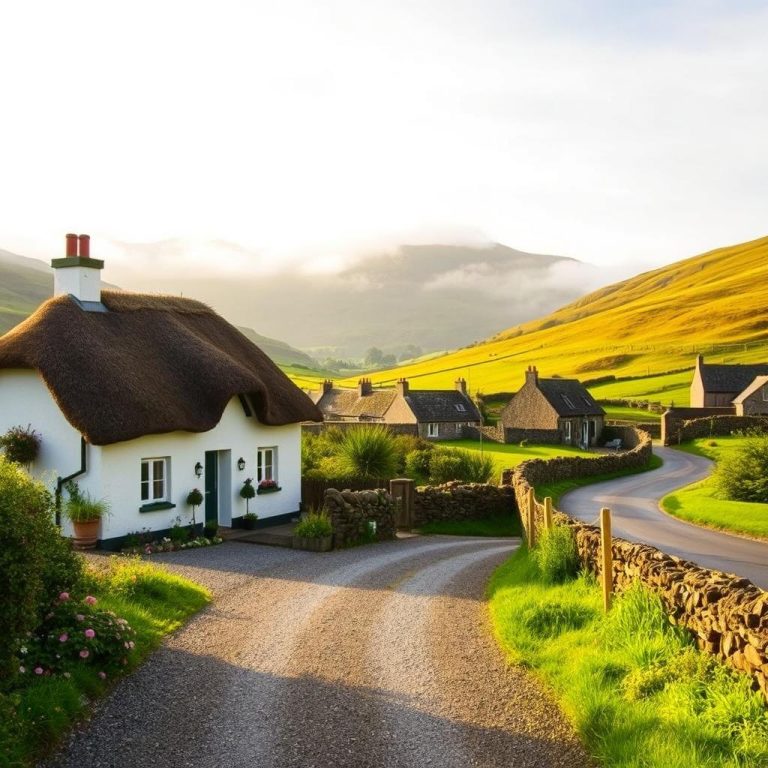
Normandy’s countryside is a peaceful escape from city life. It’s filled with rolling hills, lush forests, and charming rural scenes. Outdoor activities here let visitors enjoy the stunning natural beauty and diverse ecosystems.
The Regional Natural Park of Boucles de la Seine is a top spot for nature lovers. Here, you can see winding rivers, vast meadows, and quaint villages. It’s perfect for wildlife photography and bird watching, thanks to the Normandy tours.
Cycling and hiking trails are everywhere, for all skill levels. You can explore apple orchards or tackle the Norman bocage. Local guides offer insights into the area’s ecology and culture.
Gardens and floral spots add to Normandy’s beauty. Claude Monet’s gardens at Giverny are a must-see. Local gardens also show the area’s plant diversity. These gardens reflect Normandy’s love for nature and farming.