
Planning a family vacation can seem daunting at first. But, with the right steps, traveling with kids becomes easier. Making travel fun requires planning and smart choices.
Experts say that preparation is key. Getting ready before you leave home helps everyone relax. Research shows that 85% of successful family trips are planned ahead.
This guide covers everything about family travel. You’ll learn what to pack, how to handle flights, and keep kids happy on long trips. The tips work for toddlers, school-age kids, and teens.
Key Takeaways
- Plan your trip at least four weeks in advance to secure better prices and accommodations
- Create a packing list specific to your destination and your children’s ages
- Break up long drives with regular stops to stretch and rest
- Pack entertainment options like tablets, books, and travel games for flights
- Choose family-friendly hotels and resorts with kid amenities
- Set realistic expectations about schedules and activities during your trip
- Keep important documents and medications easily accessible at all times
Essential Family Trip Planning
Planning a family vacation is more than booking flights and hotels. It’s about what your kids need to stay happy and healthy. When you plan well, your family enjoys the trip more. The goal is to find the right mix of fun and comfort for your children.
Setting Realistic Expectations
Kids get tired on long travel days. Make sure to include rest time in your schedule. This keeps everyone calm and prevents meltdowns.
Think about your child’s age and personality when planning activities. Toddlers need nap times. Older kids may want breaks from being in the car or plane. Plan shorter travel days when possible. Give your family permission to skip activities if everyone feels exhausted.
Managing Travel Budgets
Money surprises happen on every trip. Kids get hungry at unexpected times. You might need emergency supplies or last-minute items. Budget experts suggest setting aside extra money for these costs. A smart approach protects your wallet from surprises.
| Budget Category | Estimated Cost | Notes |
|---|---|---|
| Transportation | $200-$800 | Flights or gas for the family |
| Lodging | $100-$300 per night | Kid-friendly accommodations |
| Food and Snacks | $150-$400 | Includes unexpected hunger breaks |
| Activities | $100-$500 | Attractions and entertainment |
| Emergency Fund | $100-$200 | Unexpected expenses buffer |
Create a budget before your trip. Add 15-20% extra for surprises. Track spending as you go. Start a conversation with your partner about what matters most to your family.
- Plan meals ahead to control food costs
- Look for free or low-cost activities
- Book accommodations with kitchen access
- Set daily spending limits for each category
Good planning takes stress away from your vacation. When you know your budget and accept that kids need breaks, everyone has a better time together.
How to travel with kids
Learning to travel with kids means being flexible is key. Traveling with children is different from solo trips. The journey is as important as the destination.
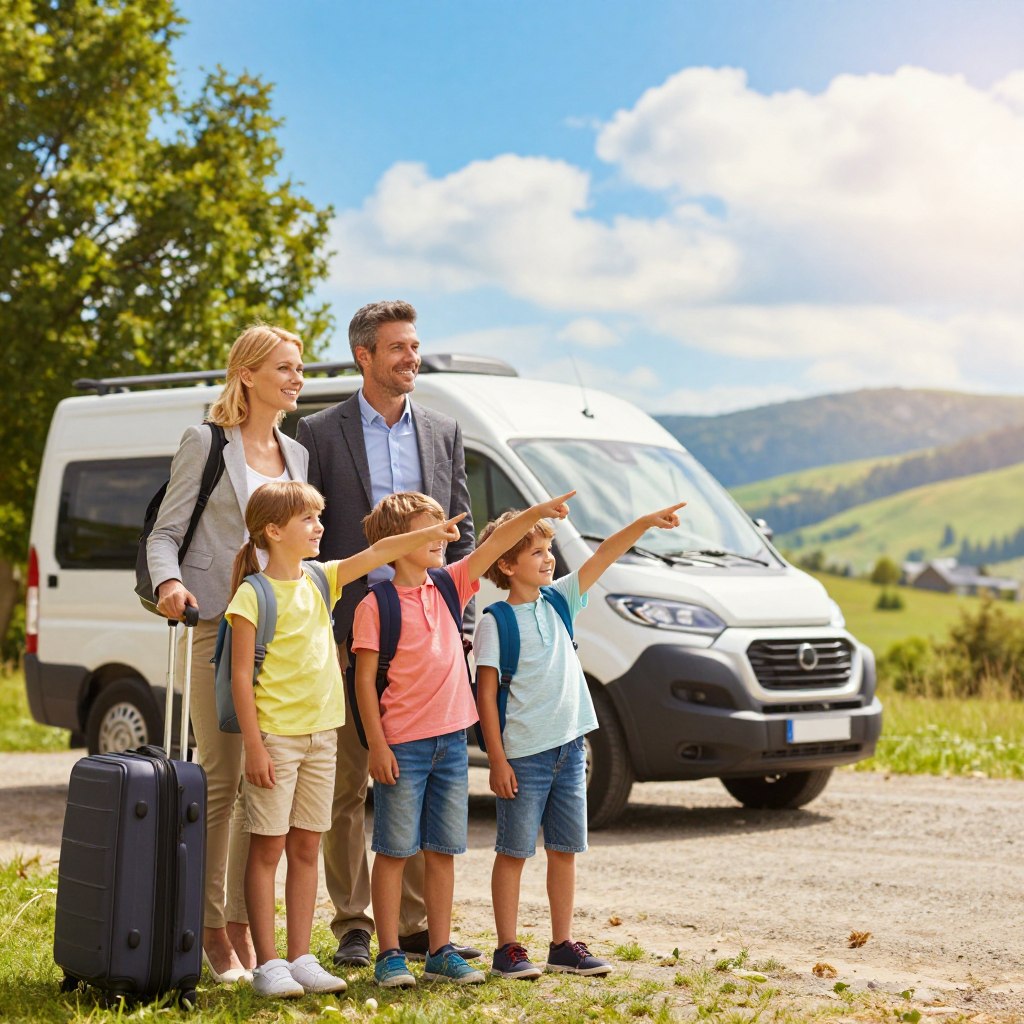
Keeping routines consistent is a great strategy. Kids do better when they know what’s next. Sticking to nap times, meal schedules, and bedtime makes travel smoother.
Patience is essential when traveling with kids. Airports can be busy, trains late, and hotels slow. Instead of getting upset, see these as part of the adventure.
Building the Right Travel Mindset
Successful family travel starts with your mindset. Think about what’s most important on your trip.
- Embrace unexpected detours and spontaneous discoveries
- Accept that travel with kids looks different from adult travel
- Focus on creating memories instead of checking boxes
- Give yourself permission to adjust plans when needed
- Celebrate small wins and keep perspective about hiccups
When you adjust your expectations, traveling with kids becomes an adventure. Your kids will remember the fun and togetherness more than perfect plans.
Packing for Kids Travel
Preparing for a trip with kids can be tough. Packing smart means planning ahead to avoid missing anything important. A well-packed suitcase means less stress and more fun on your vacation.
First, think about how long you’ll be away and the weather. Make a list of what your child needs. Then, cut back on items you can buy when you arrive. This makes your luggage lighter and keeps your family ready.
Creating a Detailed Checklist
A detailed checklist helps avoid forgotten items and saves you from last-minute shopping. Organize items by category to stay on top of things and make sure nothing is left behind.
- Clothing (underwear, socks, pajamas, weather-appropriate outfits)
- Toiletries (toothbrush, toothpaste, soap, shampoo, diaper cream)
- Medications (prescription drugs, pain relievers, allergy medicine)
- Documents (birth certificates, insurance cards, identification)
- Entertainment (books, coloring supplies, tablets with downloaded shows)
- Comfort items (favorite stuffed animal, blanket, pacifier)
Essential Gear for Comfort
The right gear makes travel easier for kids. Portable white noise machines help them sleep in new places. Neck pillows support them during car rides and flights.
Have a medical kit ready with bandages, pain relievers, and any needed medications. Make sure it’s easy to reach during your trip.
“The secret to stress-free family travel is preparation. Pack what your child needs, bring comfort items from home, and you’ll create wonderful memories together.”
Use clear, labeled bags to keep things organized. Color-coded luggage helps kids find their stuff and makes unpacking quicker. This keeps everything in order and saves time.
Flying with Toddlers
Flying with toddlers can be tough for parents. But, planning ahead makes it easier. Airlines help families with young kids, making flights more comfortable. Choosing the right approach keeps your little ones calm and happy.
Start by picking smart flight times. Early morning flights are best because toddlers might sleep. Airlines let families with kids under two board early. This gives you time to settle in without stress.
Keeping your toddler busy is key. Small, new toys are great for takeoff and landing. These moments can be hard because of ear pressure. Bring a mix of toys, books, and activities your child has never seen before. Surprise items keep interest high.
Snacks and drinks are important for keeping toddlers happy. Pack healthy snacks and a water bottle. Staying hydrated keeps your child calm. Familiar snacks comfort toddlers during the flight.
Smart Seating and Comfort Tips
Choosing your seat wisely makes flying easier. Aisle seats let you walk around if your child gets restless. Bulkhead rows offer more space. Window seats let toddlers look outside, keeping them entertained.
- Book seats near the front for early boarding access
- Pick aisle seating for easier bathroom trips
- Bring a neck pillow for your toddler’s comfort
- Pack a change of clothes in your carry-on bag
- Bring wet wipes and hand sanitizer
Comfort items from home make toddlers feel safe. A favorite blanket, stuffed animal, or pacifier helps them relax during the flight.
Road Trips with Children
Planning road trips with kids needs focus on safety and comfort. Long drives can be fun for families if you prepare well. A good plan makes the journey enjoyable for everyone.
Safety Precautions for Long Drives
Keeping kids safe on long drives starts with the right car seat. The National Highway Traffic Safety Administration says car seats must be installed correctly. This is for all children under 13.
- Install car seats at the correct angle and tightness
- Keep children in rear-facing seats until age 2 or until they reach seat height limits
- Use booster seats for children between 40-100 pounds
- Never place car seats in front passenger seats
- Check that seat belts fit snugly across your child’s chest and lap
Take breaks every 2-3 hours. Stop at rest areas where kids can safely move around. Never leave kids alone in the car, not even for a minute.
Comfort Strategies for the Back Seat
Make the back seat comfy with smart planning. Create activity kits with books, colored pencils, and puzzles. Audiobooks and podcasts keep kids engaged without the need for screens.
| Activity Type | Best Age Range | Duration |
|---|---|---|
| Sticker Activity Books | 2-5 years | 45-60 minutes |
| Audiobooks and Stories | 4-12 years | 60-120 minutes |
| Travel Games and Puzzles | 5-10 years | 30-45 minutes |
| Drawing and Coloring | 3-8 years | 45-90 minutes |
| Educational Apps (limited) | 6-12 years | 30-60 minutes |
Pack snacks like crackers, fruit, and water. Dress kids in comfy clothes. Use shades to block sunlight. Bring neck pillows or small blankets for naps.
Travel Activities for Kids
Keeping kids entertained on trips is key to a smooth journey. Travel activities turn waiting and long rides into fun parts of your vacation. The right ones keep young minds active and excited for your destination.
Interactive games are great for keeping kids busy. Here are some fun options:
- Scavenger hunts based on things you’ll see during your trip
- Travel-themed bingo with landmarks and animals
- Audiobooks featuring adventure stories
- Portable puzzle games and building sets
- Drawing supplies and activity books
- Travel journals where kids record observations

Many places offer junior ranger programs through the National Park Service and local museums. These programs let kids learn through fun activities. They earn badges and certificates while exploring nature and history.
“The activities you plan today become the memories your children cherish forever. Choose experiences that match your child’s interests and energy levels.”
Plan activities for kids before you leave. Look into what each place offers. Some airports have play areas and kid zones. Museums near your hotel might have special hours for families.
Pack a surprise bag with small toys and activities for travel. This adds excitement and breaks up long rides. Change activities every hour to keep things interesting.
Educational activities mix learning with fun. Try geography games, language apps, and nature guides. Kids learn and stay entertained, making the trip fun for everyone.
Selecting Kid Friendly Vacations
Choosing the right destination is key when traveling with kids. Kid friendly vacations need careful planning. You want places that are safe and fun for kids of all ages.
Think about what your family loves. Do your kids enjoy water activities or animals? Do they need places to keep them entertained? Knowing these helps find the perfect spot for your family.

Finding Resorts with Amenities
Great family resorts have special features. Look for places with:
- Shallow swimming pools for families
- Kids’ clubs with fun activities
- Child-proofed rooms
- Restaurants with kids’ menus
- Play areas and entertainment spaces
Check out reviews on TripAdvisor and Google Reviews. What other parents say helps you know if a resort is family-friendly. Look for comments on kids’ services and staff friendliness.
Prioritizing Child Safety
Safety is the top priority for family travel. Look into each resort’s safety measures and staff training. Ask about lifeguards at pools, emergency plans, and room safety.
Resorts with safety certifications show they care about kids. Ask about staff background checks and first aid training. Always ask resorts about safety before booking.
Best Family Vacation Destinations
Finding the perfect vacation spot is key. The best places offer fun for kids and relaxation for parents. Luckily, the United States has many amazing spots for families.
Think about what your family loves. Do your kids enjoy the beach or hiking? Maybe you all like city trips and trying new foods. The best place combines your family’s favorite activities.

Planning is easier when you know when to go. Places are best at different times of the year. Check the weather and local events to choose the right time. A beach in summer is different from a mountain in August.
Here are some top picks for your next trip:
- Beach spots like Florida and California are great for water fun and chill vibes
- Mountain areas offer hiking, camping, and outdoor fun
- Theme parks in Orlando and Southern California make memories
- National parks are perfect for exploring nature together
- Cities like New York and Boston have museums and cultural experiences
The key to unforgettable memories is choosing a place your family will love. When everyone enjoys it, you make moments that last forever.
Conclusion
Traveling with kids requires careful planning and a flexible mindset. You now have the tools to pack efficiently, manage flights with toddlers, and find family-friendly destinations. This guide offers tips on packing, safety for road trips, and more, helping you travel with less stress.
Staying flexible is key to successful family travel. Your kids might get tired on long flights with airlines like Southwest or Delta. Or, your road trip plans might change when your children need a break. These moments are normal. Roll with the changes and focus on what matters most—spending time with your family and making memories that last.
Your family is ready to explore the world. You have strategies for flying, driving, and choosing kid-friendly resorts. You know how to pack the right gear and keep your children entertained. Most of all, you understand that travel is about enjoying the journey, not just reaching your destination. Pack your bags, bring your sense of adventure, and get ready for an amazing trip with your kids.