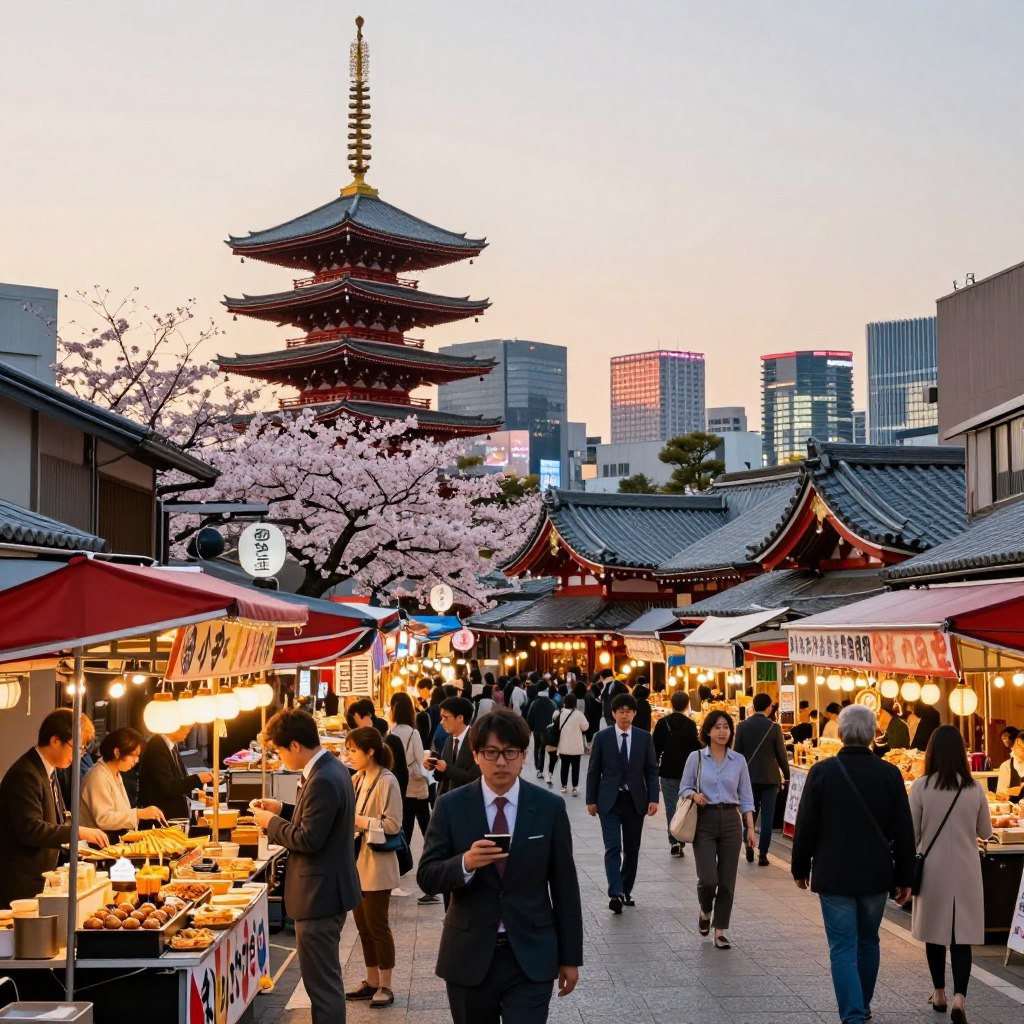
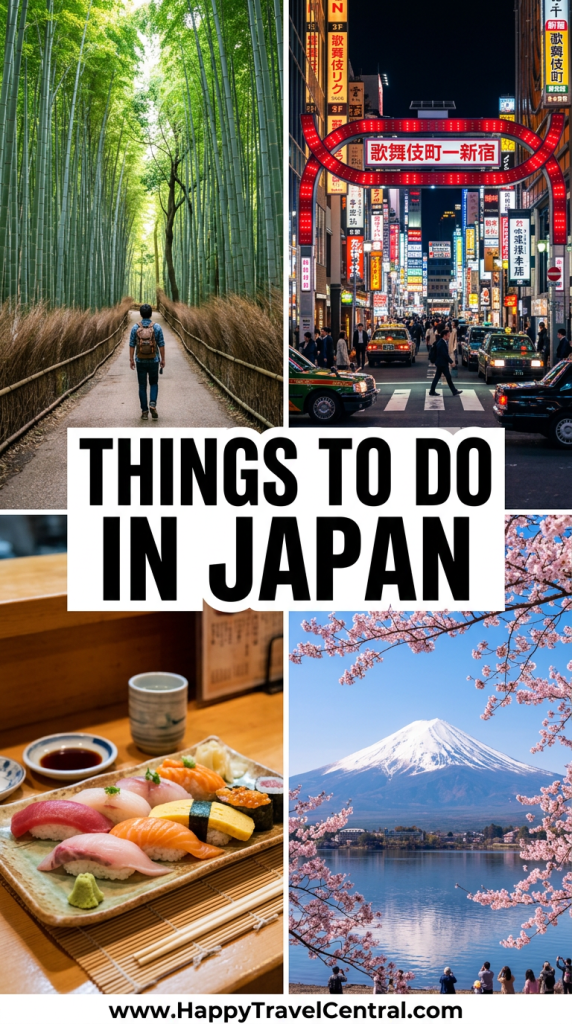
Japan is a dream destination for travelers from around the world. It mixes ancient traditions with modern culture. Whether you love history, food, nature, or adventure, there’s something special waiting for you.
Planning a trip opens up endless possibilities. You can visit peaceful temples or try thrilling outdoor sports. Explore bustling cities like Tokyo and Kyoto, or quiet mountain villages and coastal towns.
This guide covers the best Japan travel experiences for your visit. We’ll show you iconic landmarks and hidden gems. We’ll share tips for making your trip unforgettable. Get ready to discover why Japan captivates millions of visitors each year.
Key Takeaways
- Tokyo offers world-class urban attractions and vibrant street culture
- Kyoto preserves traditional temples and authentic Japanese heritage
- Mount Fuji provides stunning natural beauty and outdoor adventures
- Japanese cuisine delivers unforgettable culinary experiences
- Cherry blossoms and festivals showcase Japan’s seasonal magic
- Hokkaido offers winter sports and coastal activities
- Every region has unique attractions for different travel interests
Essential Things to do in Japan
Japan is a place where old traditions meet modern life. Before you start exploring, it’s good to know the key Japanese cultural activities. These experiences let you connect with Japan’s heart and make memories that last.
Getting involved in local customs is key to a real Japan experience. Trying traditional activities lets you see how people live and value their heritage. It teaches you about respect, mindfulness, and understanding different cultures.
- Attending a traditional tea ceremony to learn about Japanese hospitality and zen philosophy
- Visiting a public bathhouse to experience community culture and relaxation
- Exploring local markets to taste fresh seasonal foods and meet vendors
- Participating in calligraphy or ikebana (flower arrangement) classes
- Observing shrine rituals and learning about Shinto traditions
- Trying traditional crafts like pottery or weaving workshops
“Travel is the only thing you buy that makes you richer.” In Japan, this is very true when you dive into local customs.
Creating a mix of busy cities and peaceful traditional spots is the best way to see Japan. This way, you can enjoy Tokyo’s fast pace and the calm of rural temples. Focusing on these key activities helps you truly understand what makes Japan special.
Exploring Iconic Tokyo Attractions
Tokyo is a mix of new tech and old traditions. You’ll see modern skyscrapers next to ancient temples. It’s a place where you can explore Japan’s heart and see what makes it special.
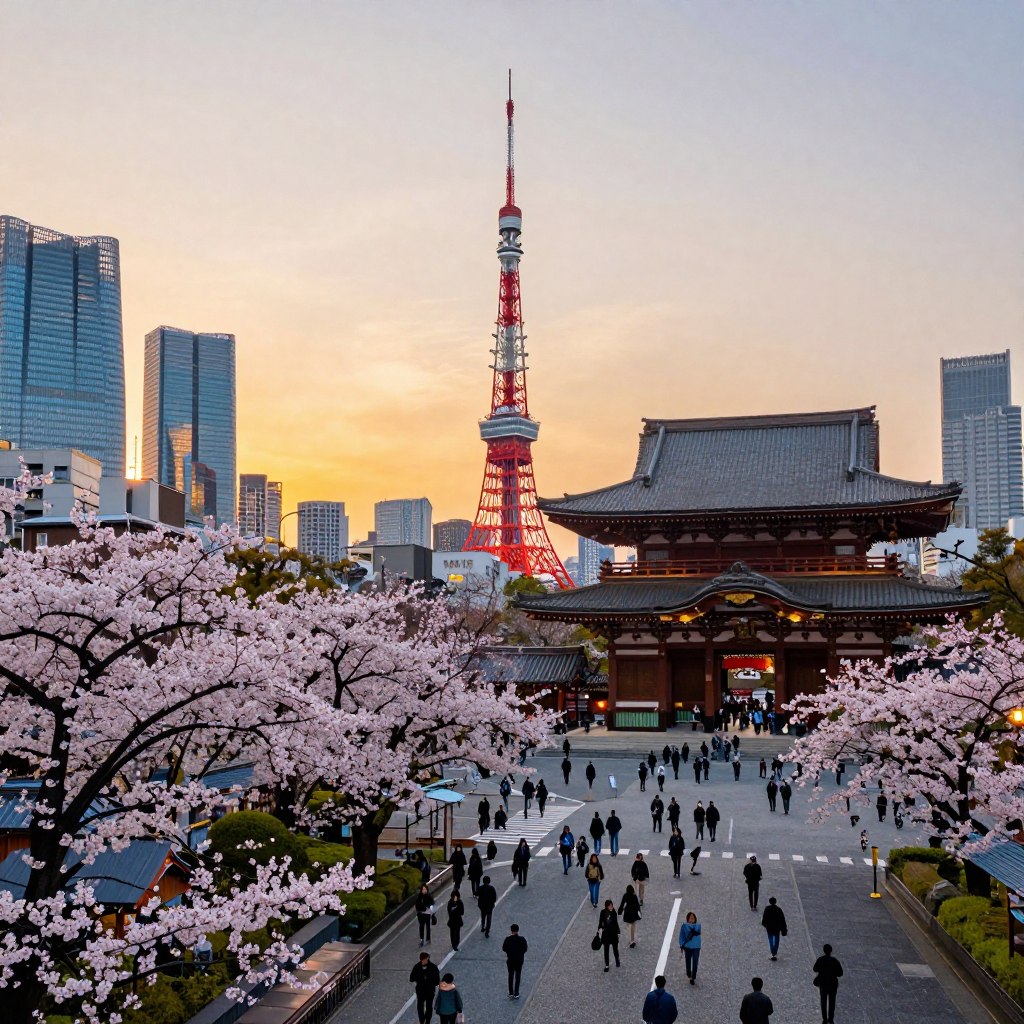
Tokyo is unique because of its contrasts. You can see busy streets and quiet temples. It’s a city where you can find both energy and peace.
Navigating the Bustling Shibuya Crossing
Shibuya Crossing is one of the busiest places in the world. Thousands of people cross here every day. It’s most lively between 7 and 9 PM.
For the best view, visit the Starbucks overlooking the crossing. You can see the flow of people from above. It’s a mix of calm and energy.
- Best time to visit: Evening rush hours
- Perfect for photography: Late afternoon light
- Nearby attractions: Shopping district and restaurants
- Accessibility: Easy wheelchair access available
Visiting Historic Temples in Asakusa
Asakusa is different from Shibuya. It has the Senso-ji Temple, Tokyo’s oldest temple. The red lanterns and traditional buildings take you back in time.
Walking through the temple’s entrance brings instant peace. The streets around the temple have traditional shops. Visitors often burn incense and pray here.
The temple gets millions of visitors every year. Go early to avoid the crowds. Remember to be respectful when visiting.
| Feature | Shibuya Crossing | Asakusa Temple |
|---|---|---|
| Atmosphere | Modern and energetic | Traditional and peaceful |
| Best Time to Visit | Evening rush hours | Early morning |
| Founded | 1930s intersection | 645 AD temple |
| Visitor Experience | Excitement and observation | Spirituality and culture |
Shibuya and Asakusa show Tokyo’s two sides. Shibuya is modern, while Asakusa is historical. Seeing both gives you a full view of Tokyo’s beauty.
Discovering Kyoto Temples and Shrines
Kyoto is Japan’s spiritual heart. It was once the imperial capital and now attracts visitors worldwide. Walking here is like stepping back in time, immersing you in centuries of Japanese culture.
The city is filled with sacred sites. Over 1,600 Buddhist temples and 400 Shinto shrines line its streets and hills. Many are UNESCO World Heritage sites. Each one has its own story to tell through its architecture.
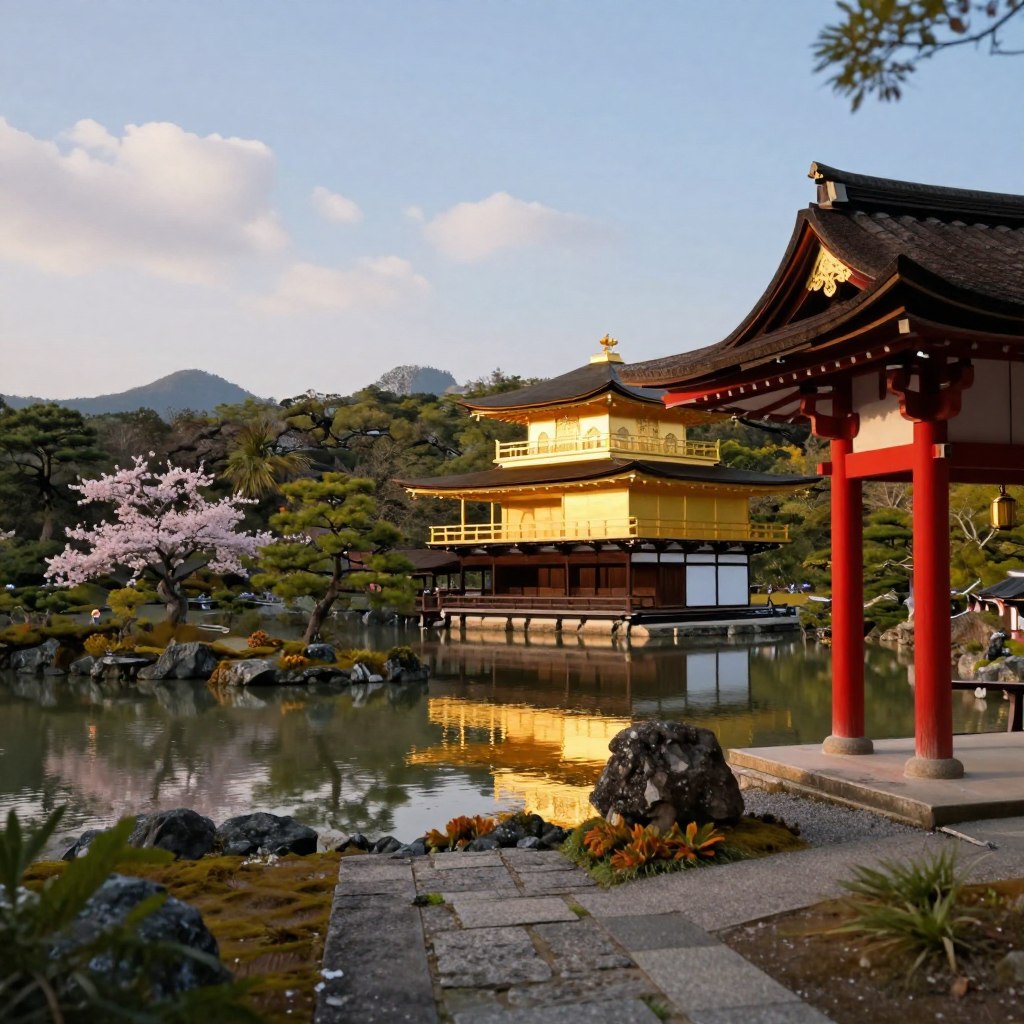
Visiting Kyoto’s temples and shrines offers a chance for peace and reflection. These places provide a break from the city’s hustle and bustle. The craftsmanship in these buildings is truly remarkable, passed down through generations.
Here are key experiences to explore:
- Walking through thousands of vermillion torii gates at Fushimi Inari Shrine
- Viewing the stunning golden reflection at Kinkaku-ji Temple
- Discovering moss-covered gardens at Ryoan-ji Temple
- Exploring bamboo groves near Arashiyama District
- Experiencing traditional ceremonies at active temples
Each season transforms these sacred spaces. Spring brings cherry blossoms framing temple gates. Fall paints gardens in brilliant reds and golds. The changing scenery makes return visits worthwhile.
“In Kyoto, you find not just buildings, but the living heart of Japanese spirituality.”
Plan time to explore multiple sites. Many temples are close to each other. Wearing comfortable shoes is essential for navigating stone pathways and stairs. Remember to be respectful to keep these places peaceful for all visitors.
Experiencing Majestic Mount Fuji Tours
Mount Fuji is Japan’s most famous mountain, standing at 3,776 meters. It draws visitors worldwide who want to see its beauty. Mount Fuji tours offer adventures for everyone, from scenic views to hiking trails.
The mountain looks different all year. In summer, climbers go up its slopes. Winter covers it in snow, creating a magical scene. Spring offers clear views, and autumn brings colorful forests.
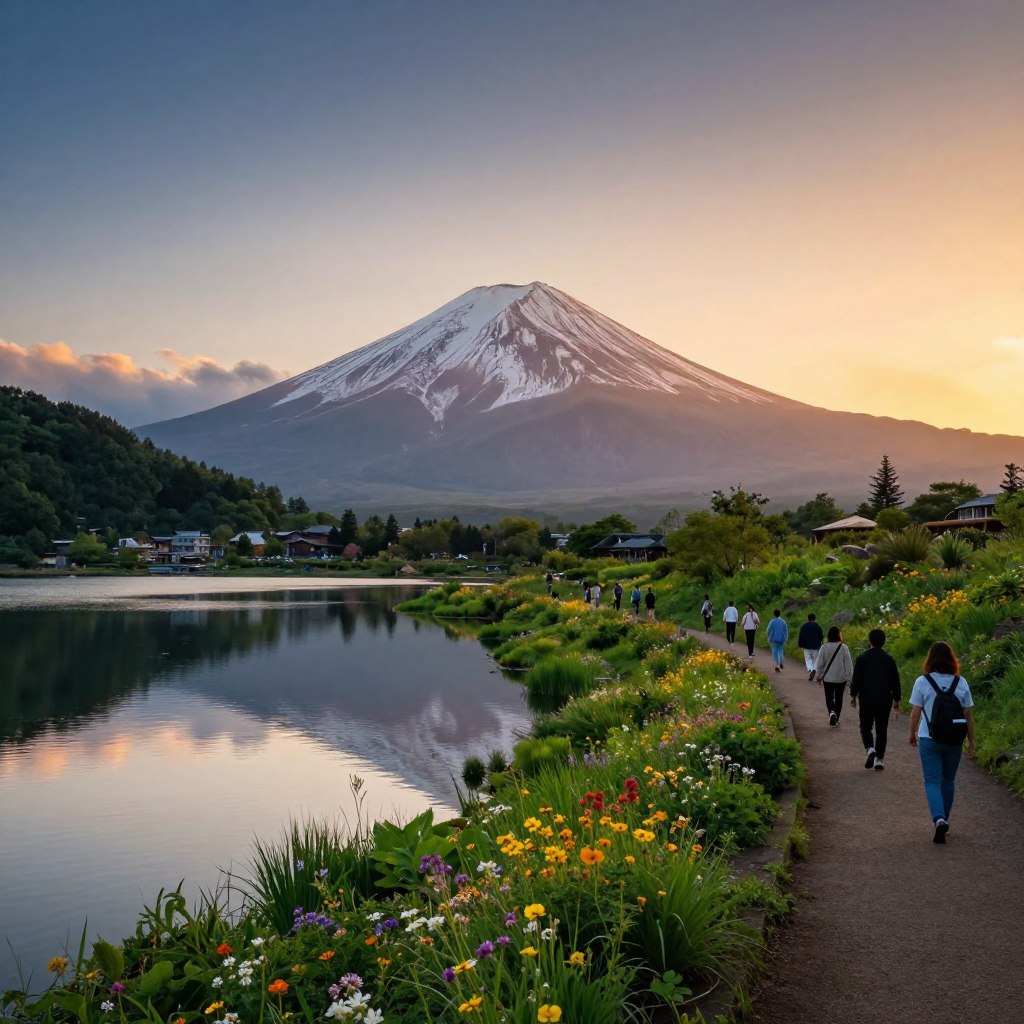
Best Vantage Points for Photography
Photographers love Mount Fuji’s shape from certain spots. Lake Kawaguchiko reflects the mountain beautifully. Early morning light makes the best photos, with golden rays on the summit.
Other great spots include:
- Hakone area viewpoints for wide shots
- Chureito Pagoda overlook with temple framing
- Kawaguchiko Lawson convenience store with iconic angle
- Sengen Shrine pathway during quiet morning hours
Visit during clear weather days for the best results. Clouds often hide the summit, so be patient and flexible.
Guided Hiking Trails for Every Skill Level
Mount Fuji has four main hiking routes. The Yoshida Trail is the most popular, with good paths and rest stops. Beginners can try shorter parts without reaching the top.
| Trail Name | Difficulty Level | Distance from Summit | Best For |
|---|---|---|---|
| Yoshida Trail | Moderate | 7.5 km | First-time hikers |
| Subashiri Trail | Challenging | 8.3 km | Experienced climbers |
| Gotemba Trail | Very Difficult | 10.7 km | Advanced hikers |
| Fujinomiya Trail | Moderate to Difficult | 7.6 km | Strong intermediate hikers |
Guided hikes offer safety and knowledge. Guides share about Mount Fuji’s geology and culture. They help with pacing, nutrition, and getting used to the altitude.
Hikes start early to avoid bad weather later. The best time to climb is from July to September. Bring good boots, layers, and water.
“Mount Fuji is not just a mountain—it’s a spiritual experience that connects visitors to Japan’s natural heritage and cultural traditions.”
Embarking on Authentic Japanese Food Adventures
Japan’s food scene is a must-see for travelers. The country’s focus on quality and precise cooking makes meals feel like art. Exploring Japanese food lets you taste centuries of flavor refinement.
Every meal in Japan tells a story of culture and tradition. Whether it’s a busy market or a quiet restaurant, each place has its own tale.
In Tokyo, trying sushi means tasting the world’s best seafood. Chefs at places like Sukiyabashi Jiro spend years honing their skills. The fish is always fresh from Toyosu Market, making every bite unforgettable.
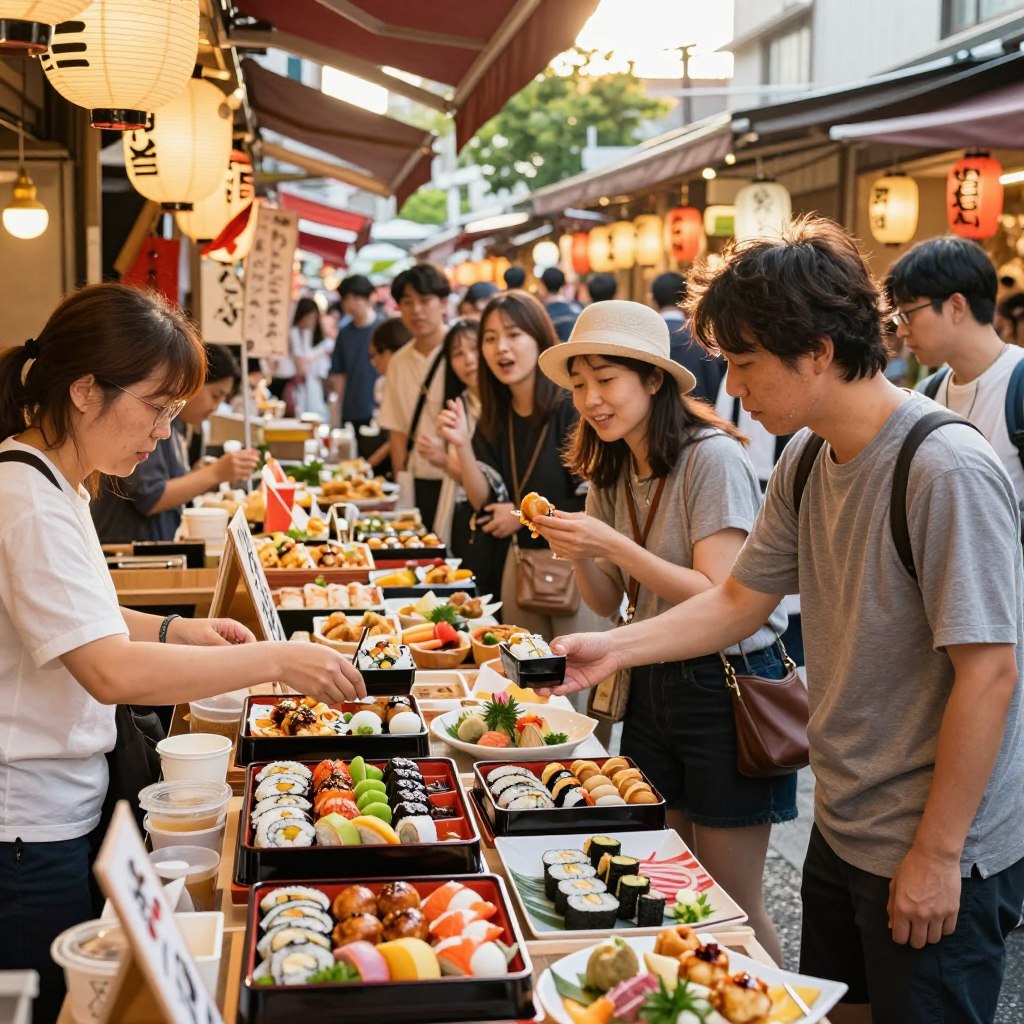
Osaka is a different story. Street food vendors fill the streets with takoyaki and okonomiyaki. Known as “the nation’s kitchen”, Osaka is all about bold flavors and big portions. Don’t miss the fresh ramen bowls at cozy spots.
Japan’s regions offer unique flavors and cooking styles:
- Hokkaido is known for fresh seafood and dairy
- Hiroshima is famous for layered okonomiyaki pancakes
- Fukuoka is home to rich tonkotsu ramen
- Kyoto offers refined kaiseki multi-course meals
Visiting food markets, cooking classes, and traditional restaurants helps you understand Japan’s cuisine. It shows how food connects to the seasons and local culture.
Witnessing Seasonal Cherry Blossom Viewing
Spring in Japan is a time of breathtaking beauty. Cherry blossoms, or sakura, turn parks and gardens into stunning pink and white scenes. This tradition, called hanami, attracts millions each year. It’s a magical time to see Japanese culture and nature.
The cherry blossom peak bloom is from late March to early April. Visiting during this time is best to see the flowers at their peak. Knowing when and where to go makes your trip unforgettable.
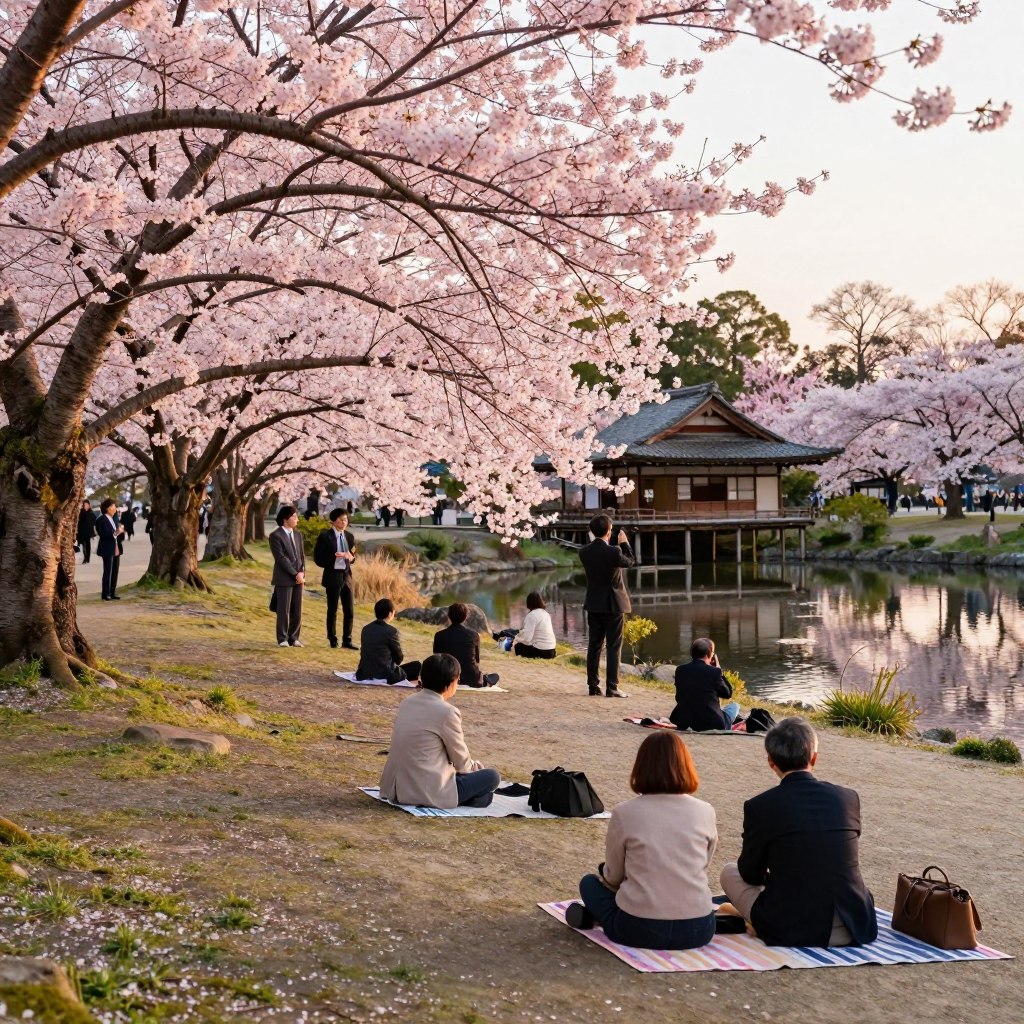
Top Parks for Hanami Picnics
Japan’s famous parks offer amazing cherry blossom experiences. They’re perfect for hanami picnics under blooming trees.
- Ueno Park in Tokyo has over 1,000 cherry trees and beautiful evening lights
- Shinjuku Gyoen shows off many cherry blossom types with beautiful gardens
- Osaka Castle Park has thousands of trees around historic buildings
- Arashiyama Park in Kyoto offers peaceful views by the river
- Maruyama Park is great for a quiet hanami experience
Tips for Catching the Peak Bloom
Timing is key for a great cherry blossom viewing trip. Here are some tips to help you catch the perfect moment.
| Timing Strategy | Details | Best For |
|---|---|---|
| Check Bloom Forecasts | Japan Meteorological Corporation releases detailed bloom predictions | Accurate planning |
| Visit Early Morning | Arrive before 7 AM to avoid crowds and capture better photos | Photography enthusiasts |
| Book Accommodations Early | Reserve hotels and transportation 2-3 months in advance | Popular destinations |
| Prepare for Weather | Bring layers; spring weather is unpredictable in Japan | Comfortable visits |
| Pack Picnic Supplies | Bring blankets, snacks, and drinks for optimal hanami experience | Full park enjoyment |
Pro tip: Follow local tourism websites and weather services for bloom updates. Start planning three months early for better accommodations and park access.
Participating in Traditional Japanese Festivals
Japan is alive with vibrant matsuri, or traditional Japanese festivals, all year. These events celebrate local history and community pride. They are among the most immersive Japanese cultural activities you can experience.
Each festival shares a story passed down through generations. They offer visitors a real look into Japan’s rich heritage.
Traditional Japanese festivals are unforgettable because of their stunning elements:
- Elaborate traditional costumes and kimonos worn by participants
- Live performances featuring classical music and ceremonial dances
- Street food vendors selling regional specialties
- Colorful lanterns and decorations lighting up the nights
- Interactive booths where visitors can learn about local customs
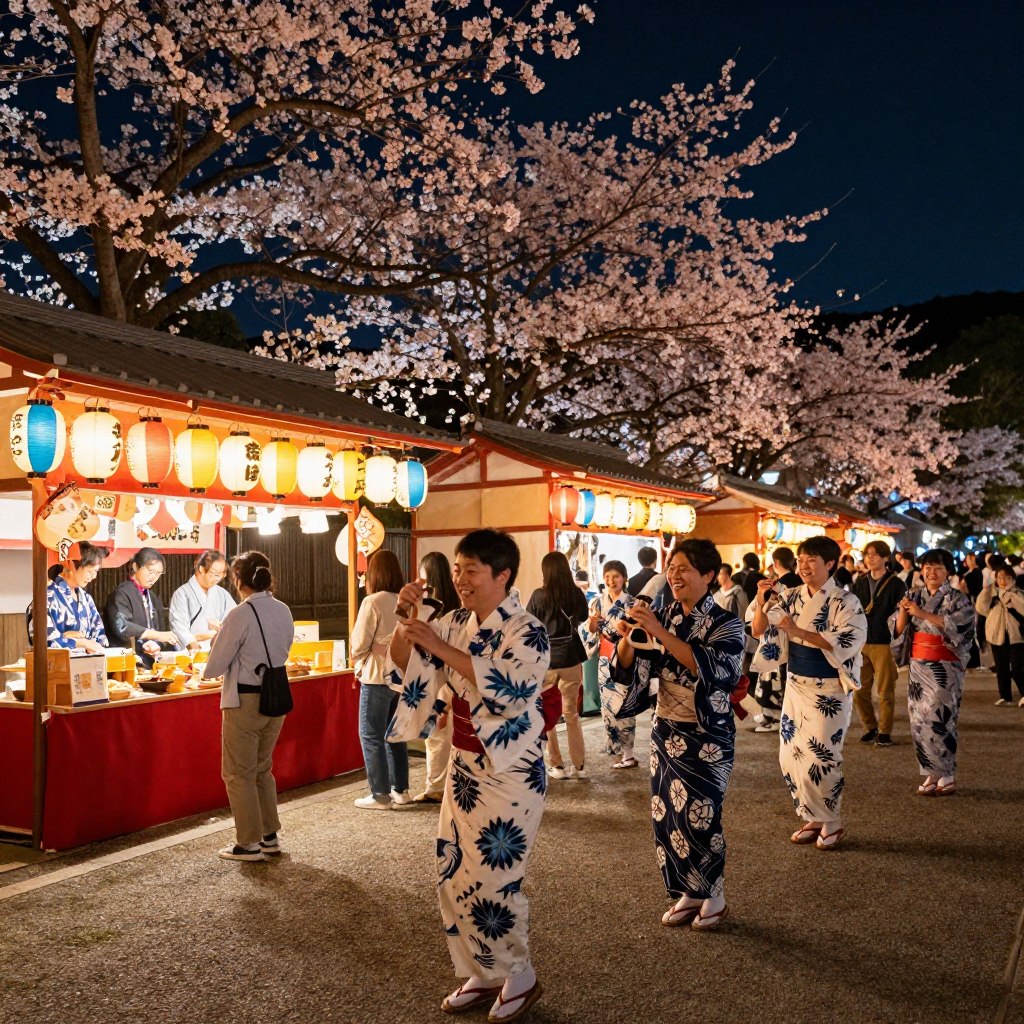
Famous festivals across Japan attract millions of visitors each year. The Gion Matsuri in Kyoto is famous for its grand processions and traditional performances. The Sapporo Snow Festival amazes guests with massive snow sculptures and winter activities. The Awa Odori festival in Shikoku features energetic group dancing that invites visitor participation.
Plan ahead to catch these celebrations. Research festival dates before booking your trip. Arrive early to secure good viewing spots. Wear comfortable shoes because you’ll walk a lot. Embrace the festive atmosphere and join locals in celebrating Japan’s cultural traditions.
Seeking Thrilling Japan Adventure Activities
Japan is a paradise for those who love adventure and adrenaline. It has everything from snowy mountains to beautiful coastlines. No matter your skill level, there’s something for everyone. Winter and summer offer different ways to enjoy Japan’s stunning landscapes.
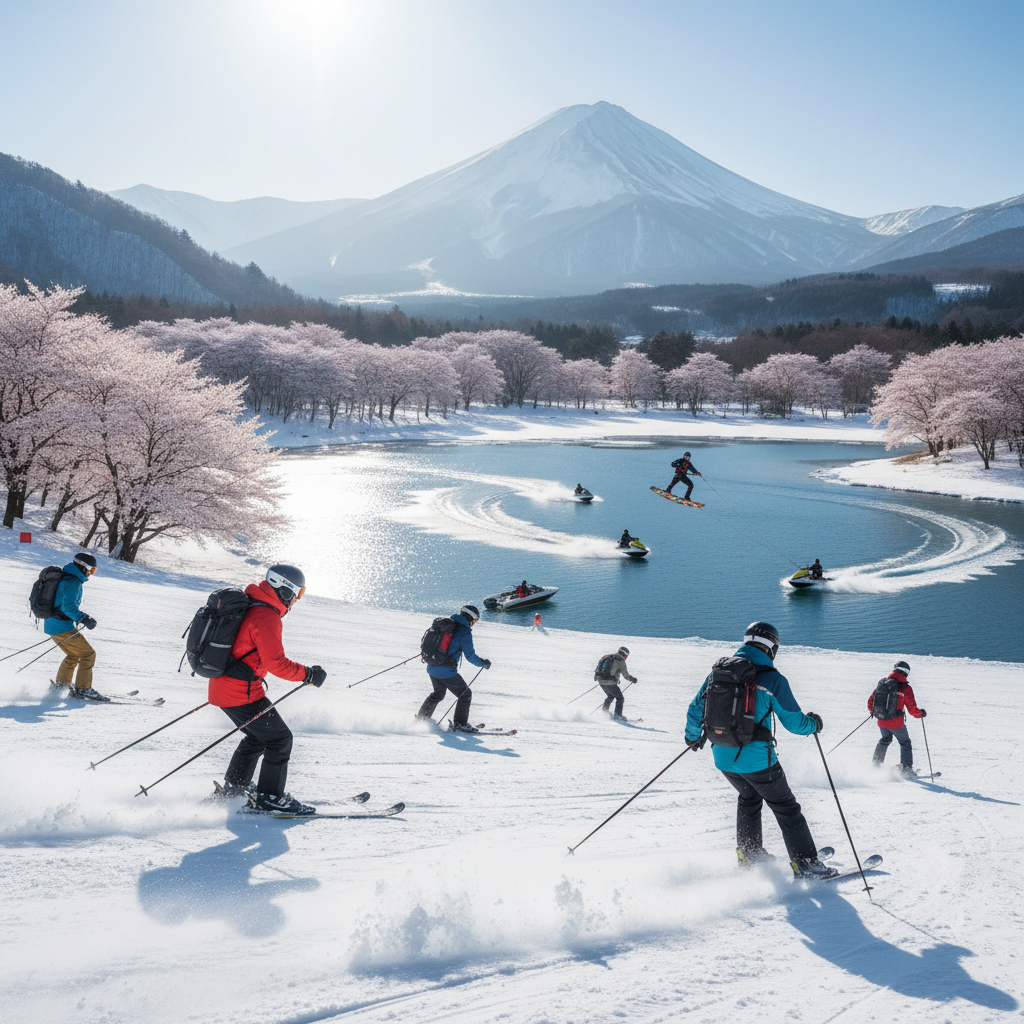
Skiing and Snowboarding in Hokkaido
Hokkaido turns into a winter wonderland in the cold months. Niseko is a top skiing spot, drawing skiers from around the world. It has plenty of powder snow, great for all levels.
- Deep powder snow perfect for all skill levels
- Modern lift systems and groomed runs
- Accessible from Sapporo by car or train
- Numerous slope options for varied terrain
Furano and Rusutsu are also great for skiing. They offer unique features and challenging slopes.
Surfing Along the Coastal Regions
In warmer months, Japan’s coasts are perfect for water sports. The Pacific and Sea of Japan offer great waves and beaches.
- Shikoku’s southern coast offers consistent swells
- Shonan Beach near Tokyo provides accessible waves
- Miyazaki Prefecture features year-round opportunities
- Local surf schools teach beginners proper technique
Whether surfing or skiing, Japan is a playground for outdoor lovers. It offers endless fun and adventure.
Conclusion
Japan is a treasure trove of experiences for every traveler. From Tokyo’s vibrant energy to Kyoto’s serene temples, there’s something for everyone. Mount Fuji tours offer breathtaking views, while Japanese food adventures introduce you to unforgettable tastes.
But there’s more to Japan than these highlights. Spring’s cherry blossom viewing turns parks into pink paradises. Traditional festivals celebrate the country’s rich culture. And adventure activities cater to all, from the calm to the thrilling.
Your trip to Japan will leave you eager for more. The mix of ancient temples, modern cities, and natural wonders is enchanting. You’ll be planning your next visit before you even leave. So, start planning your Japan adventure today and see why so many return year after year.