Australia is a thrilling place to visit. It has something for everyone. You can see busy cities, beautiful natural spots, and unique animals all in one trip.
When you plan a trip to Australia, you get to see many different places. You can see famous spots like the Sydney Opera House and the Great Barrier Reef. Or, you can relax on beautiful beaches or explore red desert landscapes.
This guide will show you the best things to do in Australia. Whether you like adventure, culture, food, or nature, there’s something here for you. Australia is a place where everyone is welcome.
Key Takeaways
- Sydney Opera House and Harbour Bridge are must-see landmarks in Australia
- The Great Barrier Reef offers world-class diving and snorkeling experiences
- Things to do in Australia include both city exploration and wilderness adventure
- Australian beaches provide excellent surfing and swimming opportunities
- The Outback delivers unforgettable desert landscapes and cultural encounters
- Australian wildlife viewing is a unique travel experience found nowhere else
- Food lovers will enjoy fresh seafood and local wine regions
Introduction to Australian Travel
Australia is a top choice for travelers looking for amazing experiences. It covers about 2.97 million square miles, with many different landscapes. Knowing what Australia offers helps you plan a trip that fits your interests.
Thinking about a trip to Australia? You’ll find something for everyone. You can relax on beautiful beaches, explore ancient rainforests, or dive into city life. Australia has activities for all, from relaxing to thrilling.
Planning your trip is easier when you group activities by type. Think about what you like to do and plan your trip around it. Here are some main categories:
- Natural wonders and iconic landmarks
- Beach and water-based activities
- Wildlife encounters and nature exploration
- Cultural and indigenous heritage sites
- Adventure sports and outdoor challenges
- Culinary experiences and local dining
- Desert landscapes and outback exploration
Understanding Australia’s size is key to a great trip. You’ll need to choose your destinations wisely. Pick places that are close to each other to save time and enjoy a smooth journey.
Iconic Landmarks and Sights
Australia is known for its world-famous spots. These top attractions draw millions each year. They show off the country’s stunning nature and amazing buildings. Whether it’s your first trip or you’re back for more, these places are a must-see.
These locations are some of the best for sightseeing and activities in Australia.
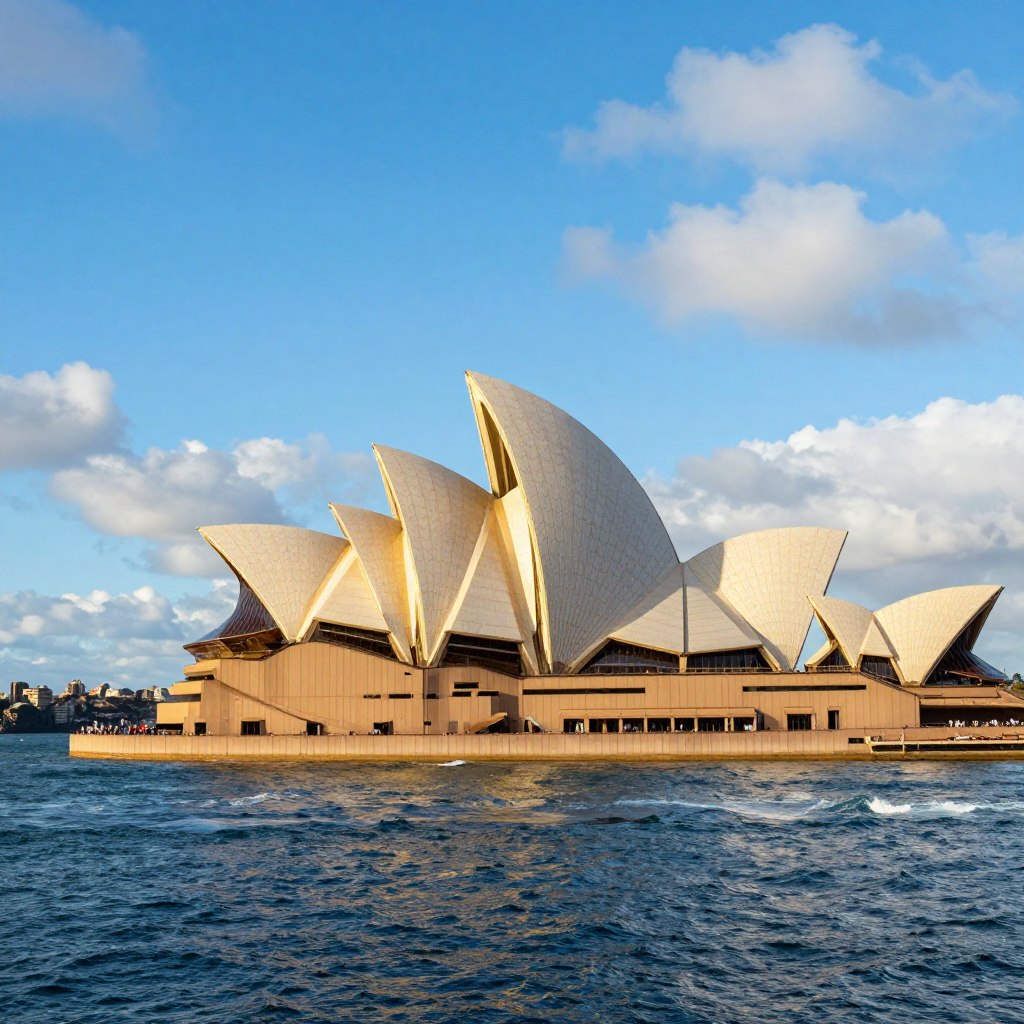
Sydney Opera House
The Sydney Opera House is one of the most famous landmarks in Australia. It sits on Sydney Harbour with its unique white roofs. Built in 1973, it’s a marvel of design and beauty.
When you visit, you can:
- Take a guided tour inside the building
- Attend a world-class performance
- Walk around the exterior for amazing photos
- Enjoy restaurants and cafes nearby
Great Barrier Reef
The Great Barrier Reef is the world’s largest coral reef system. It’s a must-see for nature lovers. Located off Queensland, it stretches over 1,400 miles and is visible from space.
Popular activities at the reef include:
- Snorkeling in crystal-clear waters
- Scuba diving among colorful fish
- Taking boat tours to see marine life
- Learning about coral conservation efforts
Both destinations are among the best in Australia. They show what makes Australia special. Make sure to visit these incredible sites on your trip.
Things to do in Australia for Adventure Seekers
Australia is a dream spot for thrill-seekers and outdoor fans. It offers amazing chances to test your courage and strength in different landscapes. Whether you like climbing steep cliffs or exploring underwater caves, you’ll find unforgettable experiences here.
For those looking for a thrill, outdoor activities in Australia include rock climbing, skydiving, and white-water rafting. Each activity shows the raw power and beauty of the Australian wilderness. These experiences are more than just vacation activities—they let you dive into nature and push your limits.
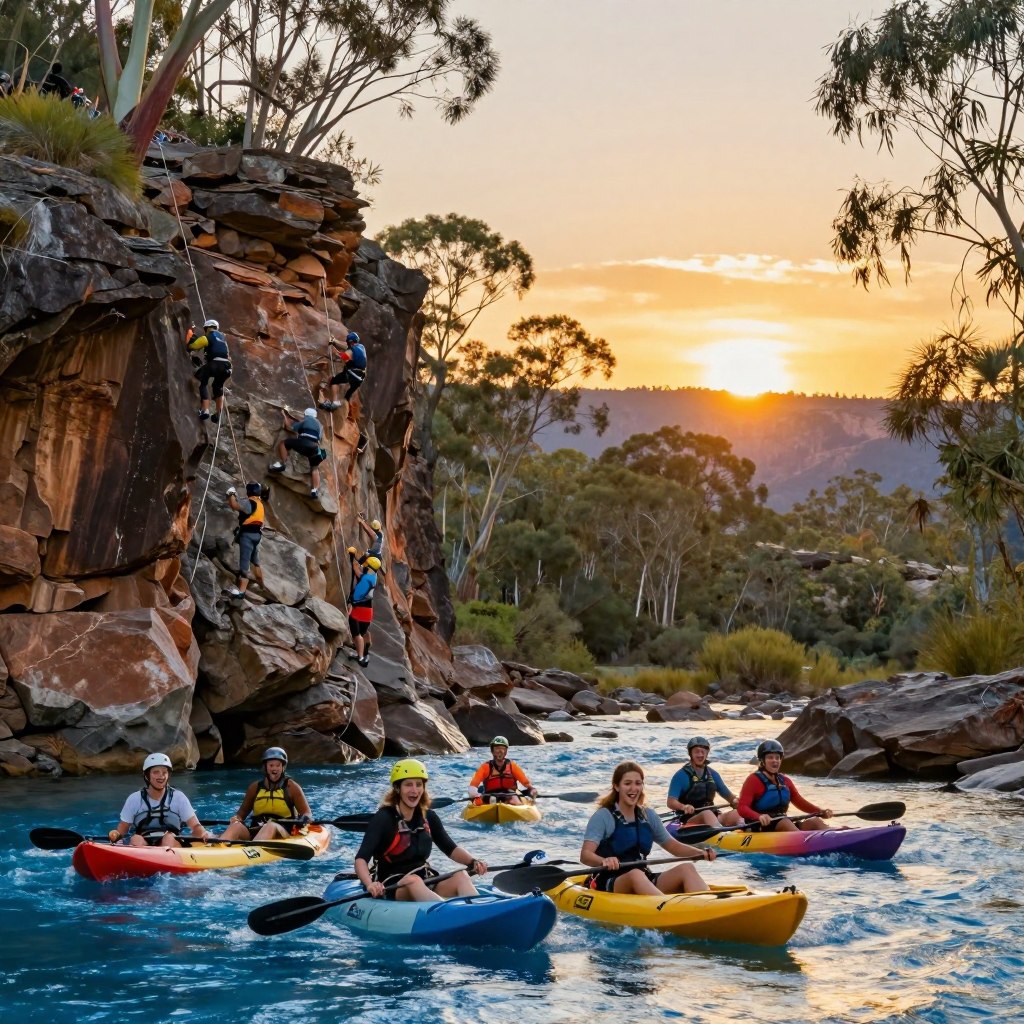
When planning your trip, think about booking australian adventure tours with guides who know the terrain. Professional tour operators ensure your safety and make sure you have fun. These tours take you to remote spots and challenging places that need expert knowledge.
Top Adventure Activities You Cannot Miss
- Rock climbing in the Blue Mountains near Sydney
- Skydiving over tropical rainforests
- White-water rafting in Queensland rivers
- Canyoning through Australian gorges
- Mountain biking on rugged trails
- Cave diving in limestone formations
| Activity | Location | Difficulty Level | Best Season |
|---|---|---|---|
| Rock Climbing | Blue Mountains | Intermediate to Advanced | April to September |
| Skydiving | Cairns, Queensland | Beginner Friendly | Year-Round |
| White-Water Rafting | Tully River | Intermediate | November to March |
| Canyoning | Blue Mountains Canyons | Advanced | May to August |
| Mountain Biking | Whistler Mountain Trail | Intermediate | April to October |
Exploring Australia for adventure means stepping out of your comfort zone. Many visitors say these high-energy experiences are the most memorable parts of their trip. The stunning scenery and physical challenge make every moment special.
Safety is always the most important thing when doing adventure sports. Wear the right gear, listen to your guides, and check the weather before you go. Most Australian adventure tours include safety briefings to get you ready for your adventure.
These thrilling activities are perfect for relaxing and enjoying the beach later in your Australian journey.
Coastal Escapes and Beach Life
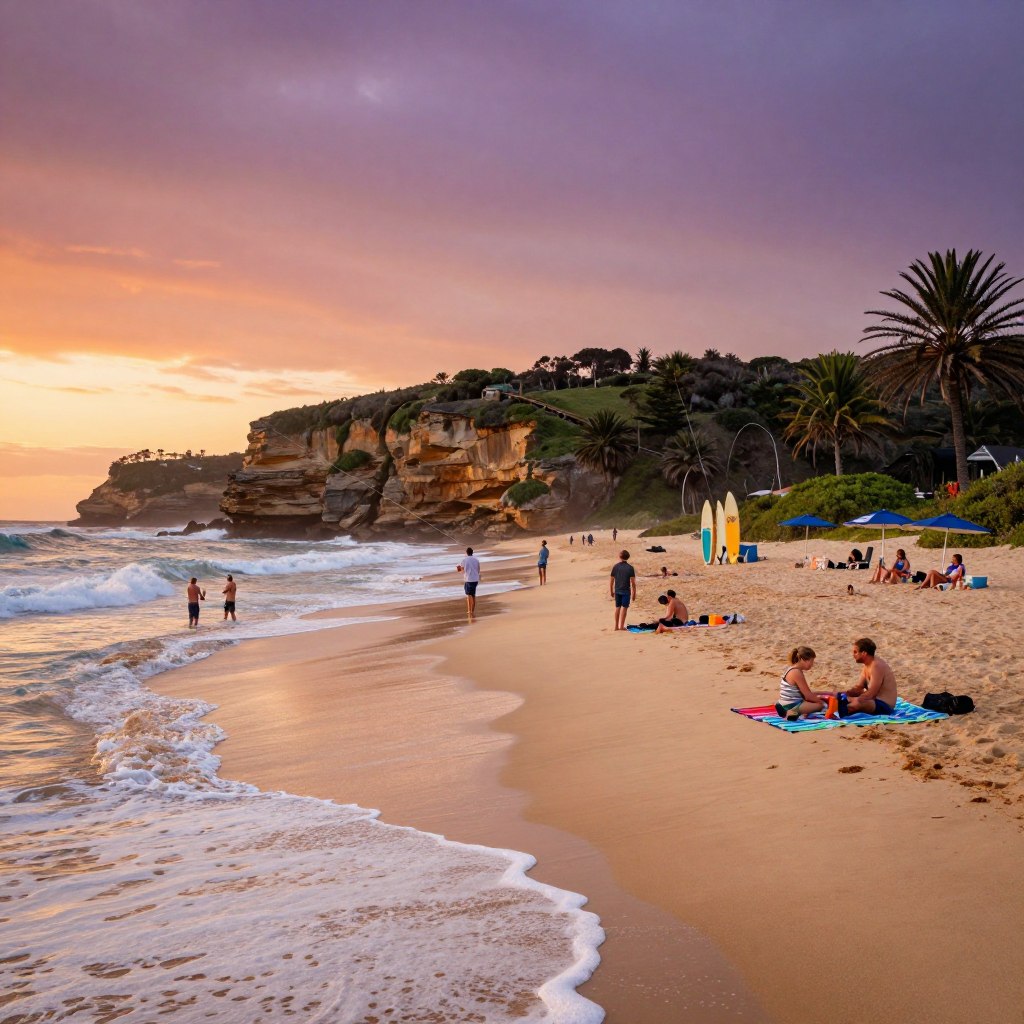
Australia’s coastline stretches over 7,600 miles and is among the most beautiful in the world. It offers the best experiences for those seeking sun, sand, and ocean adventures. From golden beaches to hidden coves, coastal regions invite travelers to unwind and explore. These areas blend relaxation with excitement, making them perfect for all types of vacationers.
Visitors discover incredible activities along the shore. Swimming, snorkeling, and paddleboarding attract people from everywhere. The warm Pacific waters and tropical breezes create ideal conditions for beach lovers. Many must-see destinations in Australia feature pristine sand and crystal-clear waters that take your breath away.
Surfing Spots
Australia is a world-class surfing destination with waves for every skill level. The Gold Coast in Queensland delivers consistent breaks and a vibrant surf culture. Beginners find gentle waves at Surfers Paradise, while advanced surfers tackle challenging swells at Snapper Rocks.
Byron Bay on the New South Wales coast offers legendary waves and a relaxed beach town atmosphere. Other top australia sightseeing spots for surfers include:
- Margaret River in Western Australia for powerful reef breaks
- Bells Beach in Victoria, famous for the Rip Curl Pro competition
- Coffs Harbour for consistent summer swells
- Cronulla Beach near Sydney for accessible surf spots
Local surf schools teach beginners the basics in safe, supportive environments. Rental shops dot the beaches, making equipment accessible to all visitors.
Island Getaways
Australia’s islands deliver unforgettable tropical escapes. The Whitsunday Islands feature 74 beautiful islands with turquoise waters and white-sand beaches. Whitehaven Beach consistently ranks as one of the world’s finest beaches.
Popular island destinations include:
| Island Destination | Best For | Top Activity |
|---|---|---|
| Hamilton Island | Family vacations | Reef tours and water sports |
| Lizard Island | Luxury retreats | Snorkeling and diving |
| Rottnest Island | Wildlife viewing | Swimming with quokkas |
| Magnetic Island | Budget travelers | Hiking and beach hopping |
“The islands of Australia offer paradise on earth with crystal waters and endless sunshine.”
Island hopping allows travelers to experience different beaches and cultures. Day trips and overnight stays suit various vacation plans. Ferry services connect major islands, making exploration easy and affordable for families.
Cultural Experiences and Indigenous Heritage
Australia’s Indigenous peoples have shaped this land for over 65,000 years. They left behind a rich tapestry of stories, traditions, and sacred sites. Understanding this history is key to truly appreciating Australia’s cultural experiences.
When you visit, you gain access to knowledge passed down through countless generations. The First Nations people’s connection to the land is much deeper than most travelers realize.
Exploring Australia through a cultural lens makes your journey meaningful. You go beyond typical tourist spots and enter worlds of spiritual significance and ancient wisdom. These experiences provide genuine connections to traditions that remain vibrant today.
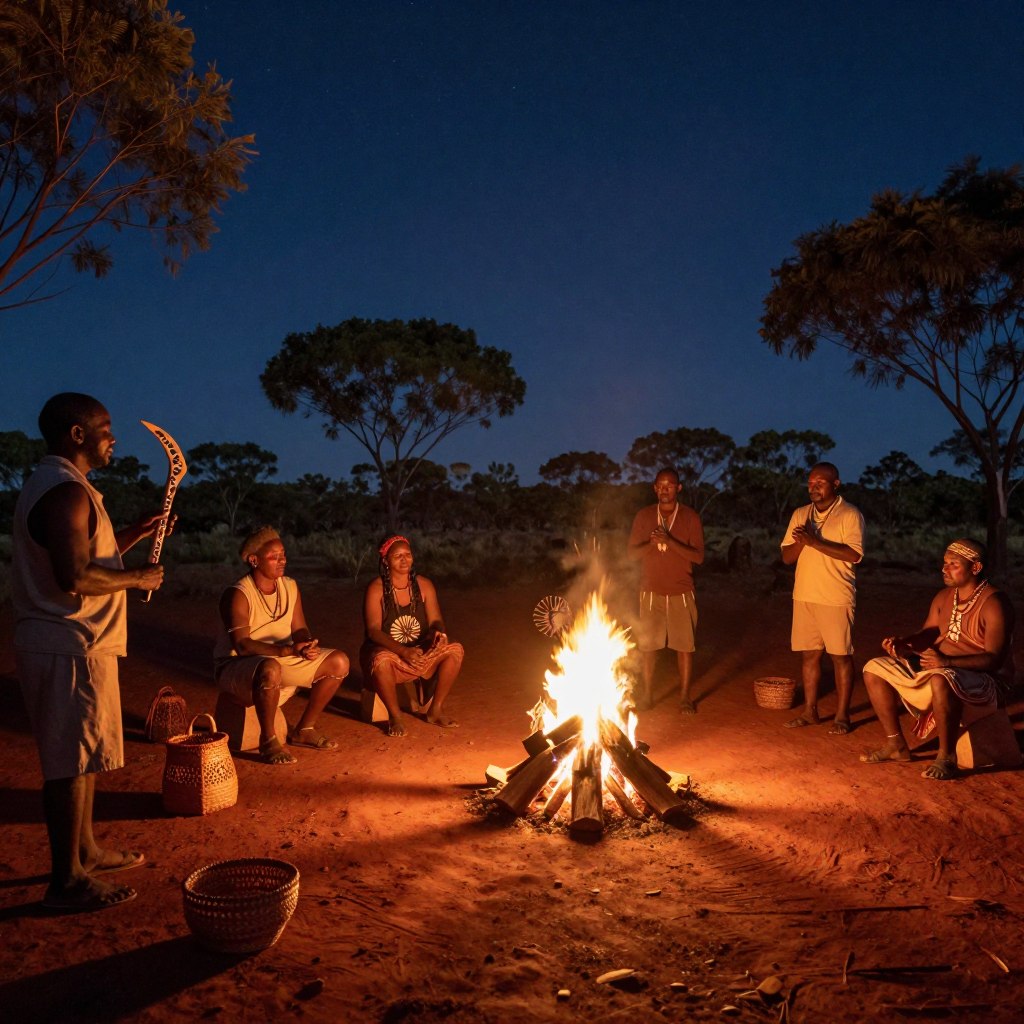
Several key ways exist to engage with Indigenous heritage during your visit:
- Visit Uluru with a guided Aboriginal tour to learn creation stories
- Explore rock art sites in Kakadu National Park dating back thousands of years
- Attend cultural festivals showing traditional music and dance
- Browse Indigenous art galleries featuring authentic local artists
- Take part in didgeridoo workshops and traditional craft classes
Respecting sacred sites means following local guidelines and understanding their spiritual importance. Many communities offer tours led by Indigenous guides. They share personal stories and ancestral knowledge.
Cultural experiences in Australia provide genuine educational opportunities. They benefit both visitors and local communities through tourism revenue and cultural preservation.
These meaningful encounters enrich your understanding of Australia’s true identity. They create lasting memories that extend far beyond your vacation.
Wildlife Encounters Across the Continent
Australia is home to unique and fascinating animals. Seeing these creatures in their natural habitats is a top experience. The country offers great chances to observe wildlife up close and learn about conservation.
Many visitors choose australian adventure tours for ethical wildlife observation. These tours teach about animal behavior and habitat protection. Whether you like land or water adventures, outdoor activities in Australia provide unforgettable memories.
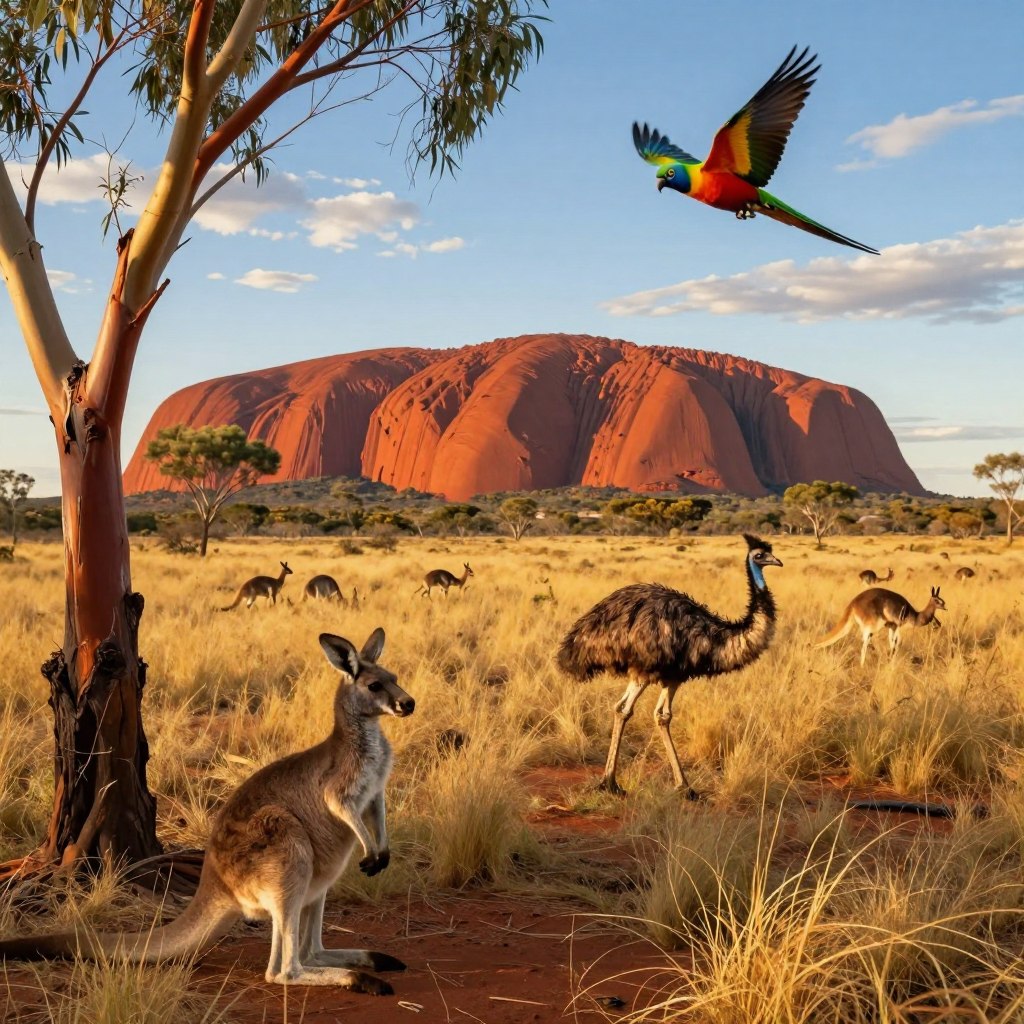
Kangaroo Spotting
Kangaroos are iconic Australian animals that roam freely. The best times to spot them are early morning and late evening. This is when they are most active.
- Visit national parks like Kakadu and Carnarvon Gorge for reliable sightings
- Look for them in open grasslands and woodland areas
- Keep a safe distance of at least 10 meters from wild kangaroos
- Bring binoculars and a camera with a good zoom lens
- Consider hiring a ranger guide for expert insights
Marine Life
Australia’s waters are full of incredible marine species. Diving and snorkeling adventures reveal colorful fish, sea turtles, and whale sharks. The Great Barrier Reef is the top spot for underwater exploration.
- Whale shark encounters occur near Ningaloo Reef (March to June)
- Swim with sea turtles at Cairns and the Coral Triangle
- Observe dolphins in Port Adelaide and Shark Bay
- Always follow local guidelines and respect marine protection laws
- Book with certified operators for safety and conservation
Best Australian Attractions for Foodies
Australia’s food scene is top-notch, attracting travelers with its authentic flavors and memorable dining spots. The country mixes fresh ingredients, new cooking methods, and cultural tastes to create a world-class food destination. Visitors soon see why Australia’s restaurants win international praise and awards.
The food culture in Australia turns simple meals into special moments. From lively city markets to peaceful vineyard restaurants, there’s a food adventure for every taste. Whether you prefer street food or fancy dining, Australia offers amazing food experiences.
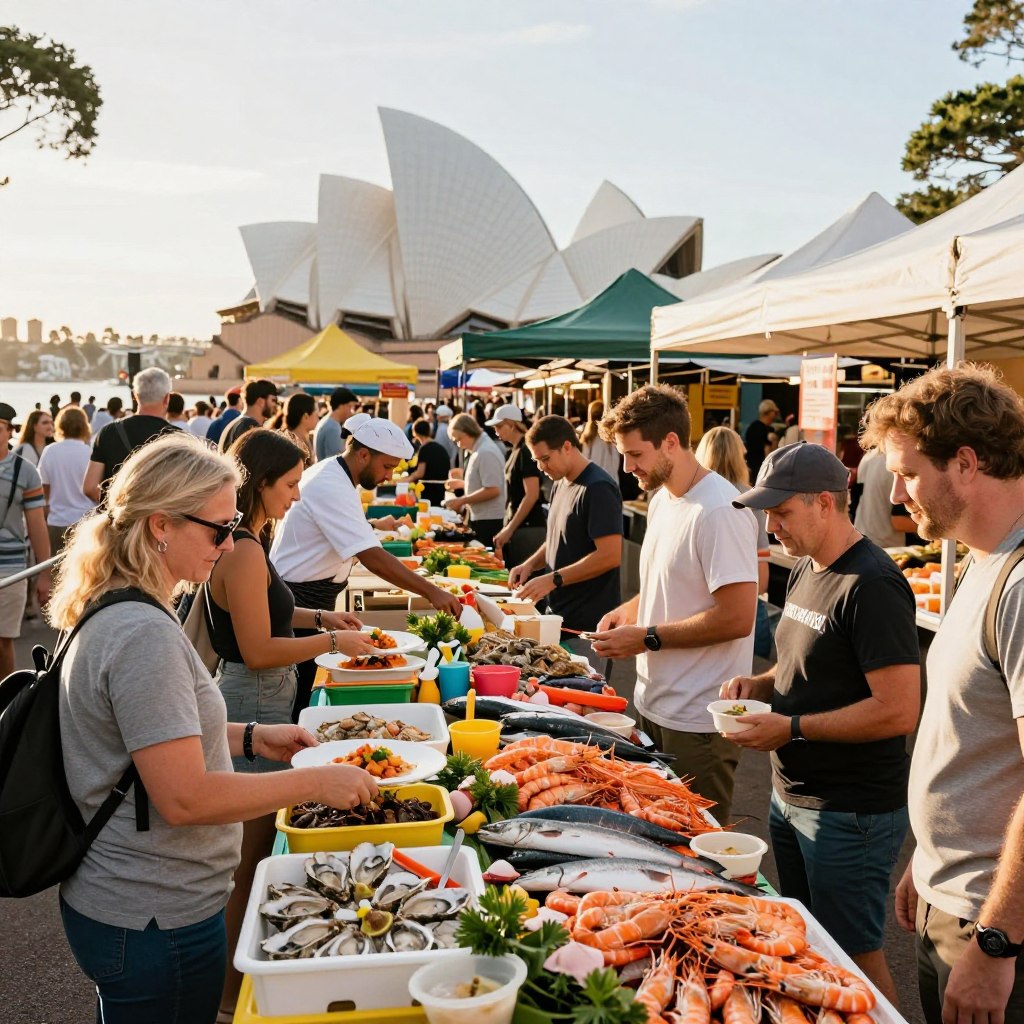
Fresh Seafood and Coastal Dining
Australia’s coast is home to some of the freshest seafood. Coastal eateries serve up oysters, barramundi, and mud crabs caught the same day. Beachside cafes offer casual eats with beautiful ocean views. Sydney’s fish markets show off the incredible seafood variety available every day.
World-Class Wine Regions
The Barossa Valley is a famous wine spot in Australia. South Australia’s McLaren Vale and Western Australia’s Margaret River are known for their top wines. These spots let visitors taste wines from passionate winemakers in beautiful vineyards.
Melbourne’s Food Markets
Queen Victoria Market is a hub for fresh produce, artisan goods, and street food. South Melbourne Market is all about gourmet ingredients and ready-to-eat foods. These markets are alive with culinary traditions, where locals shop every day.
| Dining Experience | Location | Specialty | Best For |
|---|---|---|---|
| Fine Dining Restaurants | Sydney, Melbourne | Modern Australian Cuisine | Special Occasions |
| Beachside Cafes | Coastal Cities | Fresh Seafood | Casual Lunches |
| Wine Tastings | Barossa Valley | Premium Wines | Wine Enthuasiasts |
| Street Food Markets | Melbourne, Brisbane | Fusion Cuisine | Budget-Friendly Meals |
Exploring Australia’s food scene connects you to the land, culture, and people. Every meal shares stories of regional traditions and modern creativity. These experiences make dining a rewarding part of any visit to Australia.
Exploring Outback Wilderness
The Australian Outback is a unique place for those who love raw beauty. It covers millions of acres in central Australia. Here, you can see some of the most amazing sights in the world.
This vast desert lets you escape the hustle of city life. It’s perfect for both seasoned adventurers and curious travelers. The Red Centre offers unforgettable moments and a deep connection with nature.
People from all over come to the Outback for real adventure. Its dramatic landscapes, spiritual sites, and outdoor activities make it a top spot. Seeing ancient rocks, endless skies, and starry nights is a highlight of visiting.
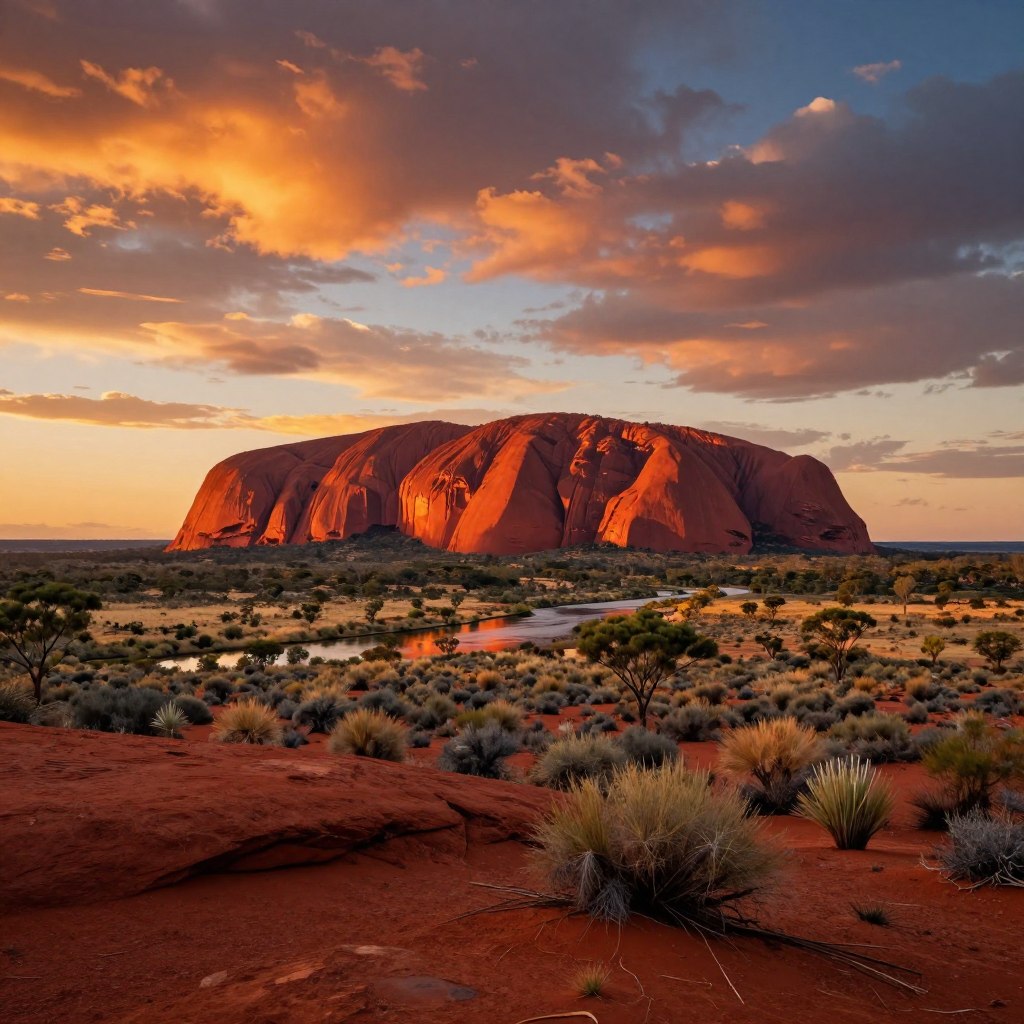
Uluru Hiking
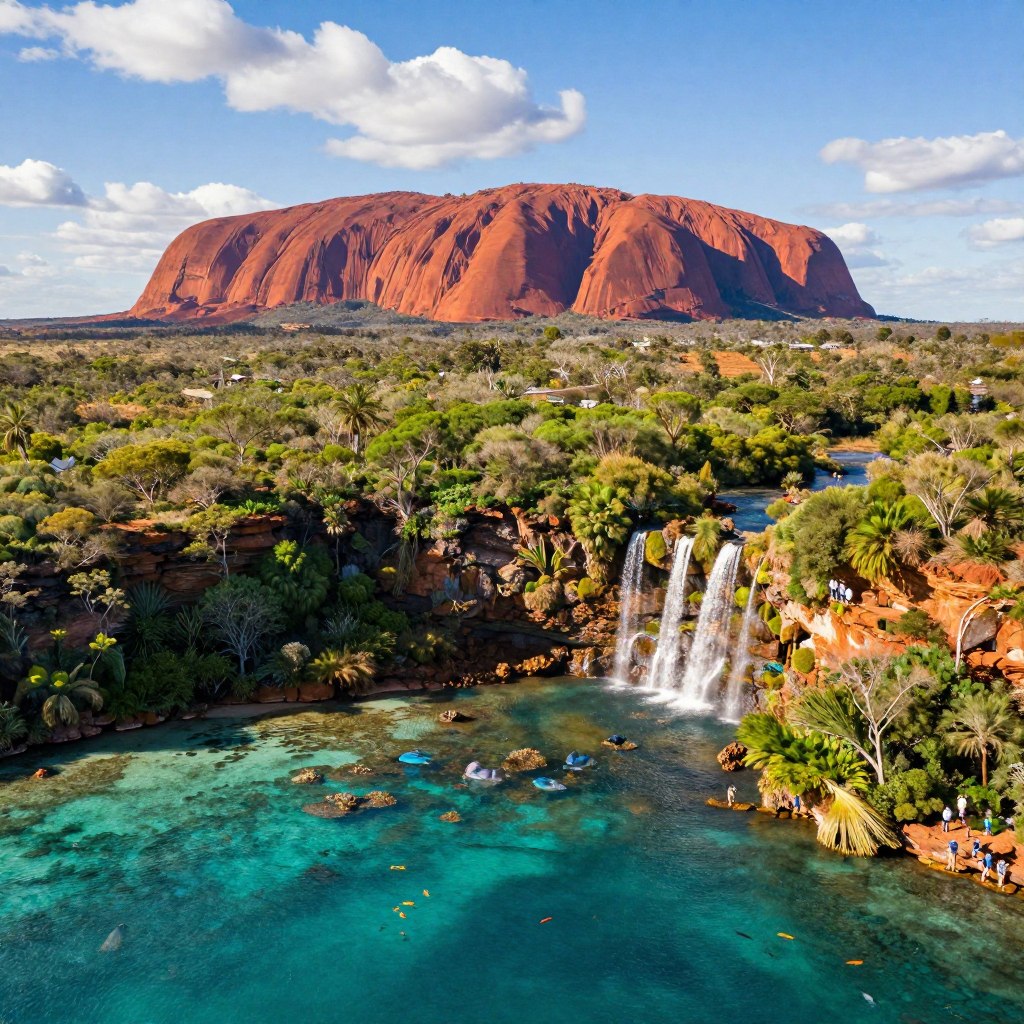
Uluru, also known as Ayers Rock, is the Outback’s star attraction. This huge sandstone formation is 1,142 feet tall and glows red at dawn and dusk. Guided hikes let you explore its base and trails, showing off the area’s geological wonders.
Before you hike, here are some tips:
- The base walk is about 5.8 miles and takes 2 to 3 hours
- April to September is the best time due to cooler temperatures
- Don’t forget water, sun protection, and sturdy shoes
- Guides share stories and history of the area
- There are endless photo spots along the way
Remember to respect the local Aboriginal culture. Uluru is sacred to the Anangu people, the land’s traditional owners.
Desert Camping
Camping under the Outback stars is an unforgettable experience. You can choose from luxury glamping to traditional tent camping.
| Camping Type | Features | Best For |
|---|---|---|
| Glamping Camps | Comfortable beds, hot showers, prepared meals, guided experiences | Comfort-seeking travelers who want adventure with amenities |
| Traditional Camping | Tents, campfires, basic facilities, minimal light pollution | Outdoor enthusiasts seeking authentic wilderness immersion |
| Swag Camping | Roll-out sleeping beds under the open sky, complete stargazing | Budget travelers wanting direct connection with the desert |
Desert nights are perfect for stargazing. The Southern Cross and Milky Way shine brightly. Many camps offer astronomy guides to explain the sky’s wonders.
Here’s what you should bring for camping:
- Warm clothes for cold nights
- Insect repellent and first-aid supplies
- Sunscreen with SPF 50 or higher
- Reusable water bottles and hydration drinks
- Headlamp or flashlight with extra batteries
The Outback wilderness offers transformative experiences. It’s a place where you can make lasting memories of Australia’s natural wonders.
Tips for Planning Your Australian Vacation
Planning a trip to Australia needs careful planning and smart choices. The country is huge, with different areas to explore. Choose the best time for your trip, considering the weather. Summer is hot, while spring and autumn are cooler and less crowded.
Make a plan that fits your interests and travel time. Australia is as big as the US, so plan your travel well. You can fly between cities or take buses and trains for a slower trip.
Book your activities early, as they get booked fast. Places like the Great Barrier Reef and Uluru are popular. Look into rail passes or packages to save money.
Here are some tips for planning your trip:
- Check visa requirements for the United States citizens visiting Australia
- Book flights and accommodations three to six months ahead
- Reserve guided tours and adventure activities early
- Purchase travel insurance covering medical emergencies and cancellations
- Download offline maps and travel apps before departing
- Plan your budget for each region you’ll visit
Budget enough time for each destination. Don’t rush to see everything. A two-week trip is good for three to four areas. Longer trips let you explore more and travel easier.
“The journey not the arrival matters.” – T.S. Eliot
Visit Tourism Australia for the latest travel info. Join travel forums for tips and stories. Pack clothes for different climates, as the weather changes a lot.
Conclusion
Australia is a top travel spot known for its diversity. It has everything from stunning beaches to ancient deserts. No matter what you’re looking for, Australia has it all.
There’s more to see than just sights. Australia’s culture is rich, with Aboriginal traditions and modern art. You can swim with whale sharks or hike under the stars. Each place has its own special charm.
Plan your trip with this guide in mind. Mix adventure with relaxation and nature with city life. Australia is full of surprises for curious travelers. Start planning your trip today and see why it’s a favorite among visitors.