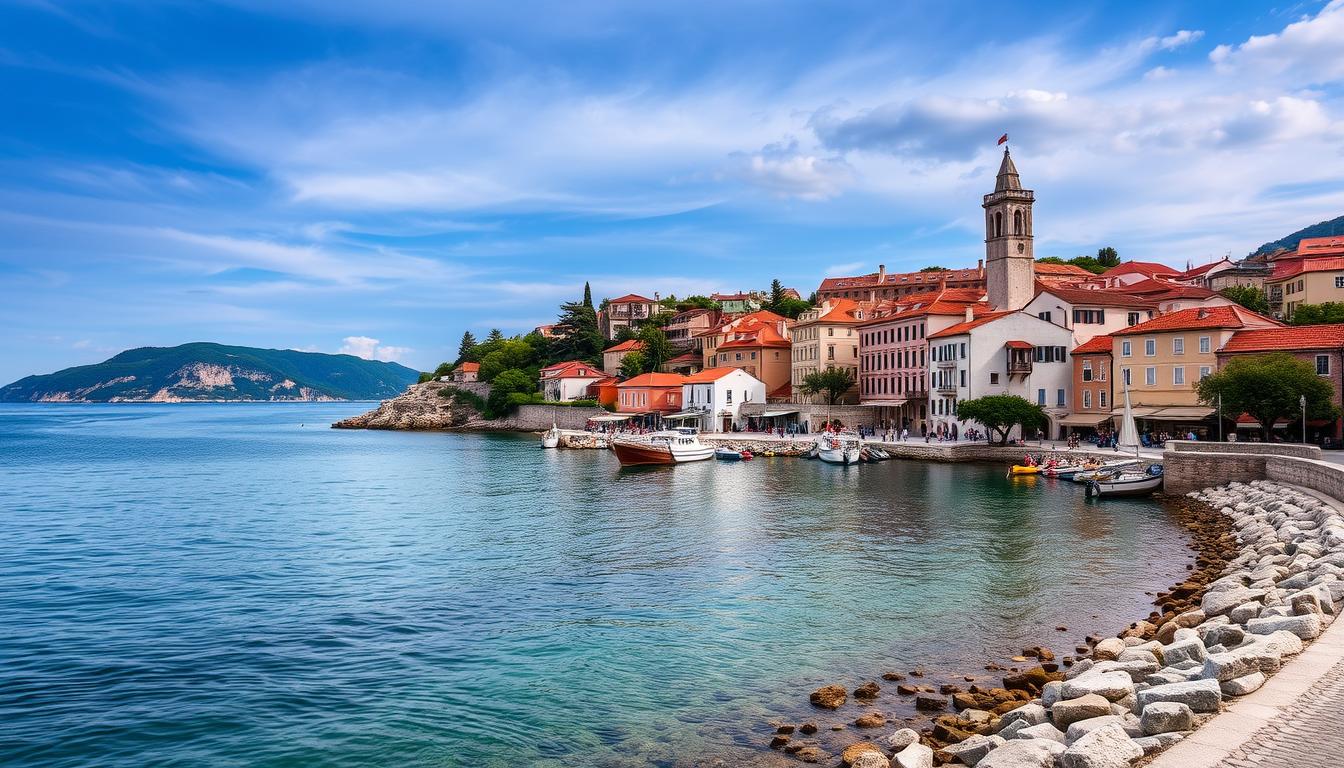
Planning your trip to Croatia can make your vacation unforgettable. This beautiful European country has stunning coastlines, historic cities, and diverse landscapes. Each season brings something special.
Choosing the right time to visit Croatia is key. It depends on what you want to do. Do you want to enjoy the sun, explore cultural festivals, or see historic sites in peace?
Croatia has it all, from clear Adriatic waters to ancient cities. Knowing the seasons will help you plan the best trip. You’ll get to experience what Croatia has to offer.
Key Takeaways
- Summer offers peak tourist season with warm Mediterranean climate
- Shoulder seasons provide balanced weather and fewer crowds
- Winter brings unique cultural experiences and skiing opportunities
- Coastal regions differ significantly from inland climate zones
- Budget considerations vary dramatically between peak and off-peak seasons
Understanding Croatia’s Climate Zones and Weather Patterns
Croatia has a wide range of climate zones, making each visit unique. Its location creates three main climate areas. Each offers a different view of Croatia’s natural wonders.
The country’s varied landscapes greatly influence its weather. From the Mediterranean coast to the mountains, Croatia’s climate is complex.
Coastal Mediterranean Climate
The Adriatic coast has a Mediterranean climate. It’s known for:
- Warm, dry summers with temperatures from 75-90°F
- Mild winters averaging 40-55°F
- Plenty of sunshine in peak travel months
- Little rain from June to August
Continental Climate in Interior Regions
Inland Croatia has a different climate. It has:
- Hot summers up to 95°F
- Cold winters with temperatures below freezing
- Big temperature changes
Mountain Climate in the Dinaric Alps
The mountains have their own climate. It’s cooler and wetter, with:
- Cooler temperatures all year
- More rain
- Snow in winter
“Croatia’s climate diversity is its hidden treasure, making every visit unique.” – Croatian Tourism Board
Knowing about these climate zones helps plan a trip to Croatia. It ensures a great experience, no matter where you go or when you visit.
Summer in Croatia: Peak Season Experience

Croatia turns into a lively paradise in summer, perfect for those looking for a Mediterranean escape. The peak season, from June to August, offers sunshine, clear waters, and lively coastal scenes.
Summer in Croatia means amazing experiences in many places:
- Stunning Adriatic coastline with pristine beaches
- Numerous outdoor festivals and cultural events
- Warm temperatures averaging 75-85°F (24-29°C)
- Extended daylight hours perfect for exploration
The peak season is a great time for travelers. Cities like Dubrovnik and Split attract many tourists. They buzz with energy and excitement.
| Summer Month | Average Temperature | Tourist Activity Level |
|---|---|---|
| June | 75°F | Moderate |
| July | 82°F | High |
| August | 85°F | Peak |
Pro tip: Summer is great, but prices are higher and places are busier. Book early and plan flexibly for the best Croatian summer.
For a unique summer, Croatia’s peak season is perfect. Enjoy island hopping, water sports, and cultural experiences that last a lifetime.
Best Time to Visit Croatia for Different Types of Travelers
Croatia has something for everyone. Knowing the best months to visit can make your trip unforgettable. Find your perfect Croatian adventure here.

Travelers have different needs and wants in Croatia. Here’s when to go for each type:
Beach and Island Hoppers
For those who love the sun and sea, summer is the best time. July and August are the peak months with:
- Warm Mediterranean weather
- Clear Adriatic waters
- Great island-hopping chances
- Great for swimming and water sports
Cultural Enthuasiasts
History lovers and culture seekers prefer the shoulder seasons. May, June, and September offer:
- Mild weather for sightseeing
- Less crowded places
- Cultural festivals
- Lower accommodation costs
Adventure Seekers
Outdoor fans should visit in spring and fall. These seasons bring:
- Hiking in national parks
- Cycling in beautiful areas
- Kayaking and rock climbing
- Comfortable weather for exploring
Budget Travelers
For those on a budget, off-peak seasons are best. October to April offers:
- Lower prices
- Real local experiences
- Less crowded spots
- Special winter and spring activities
Spring Travel to Croatia: March to May

Spring is a great time to visit Croatia. From March to May, the country is beautiful with mild weather and lively landscapes. It’s perfect for those who love adventure and culture.
Traveling in spring has many benefits. The weather is just right, between 55-70°F. This makes it easy to explore both the coast and inland areas without the heat of summer.
- Mild weather perfect for outdoor activities
- Fewer tourist crowds compared to peak summer months
- Lower accommodation prices
- Blooming wildflowers and lush green landscapes
Places like Dubrovnik and Split start to come alive in spring. You can see famous sites without the crowds. It’s a great time to experience local culture.
| Month | Average Temperature | Recommended Activities |
|---|---|---|
| March | 55°F | City exploring, early hiking |
| April | 62°F | National park visits, coastal walking |
| May | 70°F | Island hopping, outdoor festivals |
Pro tip: Bring layers and a waterproof jacket for spring’s weather. You’ll need warmer clothes in early spring and lighter ones later.
Spring in Croatia is a time of renewal. Nature comes alive, and cultural experiences are plentiful before the summer rush.
Croatian Coastal Destinations: When to Visit Popular Spots
Croatia’s stunning coastline offers travelers a diverse range of experiences throughout the year. Knowing the best time to visit each spot can make your vacation unforgettable. The coastal regions present unique opportunities for travelers seeking memorable Mediterranean adventures.
During the peak season, coastal destinations buzz with activity, drawing tourists from all over. Knowing when to visit Croatia can help you enjoy your trip more and avoid crowded spots.
Dubrovnik’s Tourist Calendar
Dubrovnik is at its best in June and September. The city’s medieval walls and clear waters are perfect when summer crowds are smaller. Early September offers perfect weather conditions with warm temperatures and fewer tourists.
- Best months: June and September
- Peak tourist season: July-August
- Ideal temperature range: 75-85°F
Split and Hvar Island Timing
Split and Hvar Island are quintessential Croatian coastal experiences. They are most appealing from late May to early October. Hvar, famous for its lavender fields and lively nightlife, peaks in July and August.
Istrian Peninsula Highlights
The Istrian Peninsula offers a mix of coastal and inland experiences. Visitors can explore charming towns like Rovinj and Pula in the mild shoulder seasons of May and September. This avoids the intense summer crowds.
- Recommended visit periods: May, June, September
- Cultural festivals: Summer months
- Wine and truffle tours: September-October
Fall Season: September to November

Fall in Croatia is a hidden gem for travelers. It offers a magical time to see the country’s landscapes and culture. The weather is mild, and the scenery is spectacular from September to November.
Autumn is a great time to visit Croatia. The summer crowds are gone, leaving a more authentic experience. Places like Dalmatia and Istria are very charming during this time.
- Temperatures range between 59°F to 73°F (15°C to 23°C)
- Fewer tourists and more relaxed atmosphere
- Perfect for outdoor activities and cultural exploration
Food lovers will enjoy the fall season. The region celebrates traditional harvests, including:
- Truffle hunting in Istrian forests
- Wine grape harvests along coastal vineyards
- Olive oil production in Mediterranean regions
| Month | Average Temperature | Key Attractions |
|---|---|---|
| September | 73°F | Warm sea, wine festivals |
| October | 64°F | Truffle season, autumn colors |
| November | 55°F | Cultural events, fewer crowds |
National parks like Plitvice Lakes are stunning in autumn. They offer amazing views for photographers and nature fans. With fewer tourists, you can enjoy Croatia’s beauty more deeply.
Fall in Croatia is not just a season—it’s a canvas of experiences waiting to be discovered.
Winter Travel in Croatia: December to February
Croatia turns into a magical winter wonderland during the off-season. It offers travelers unique experiences beyond the usual summer holidays. The off-season reveals a different side of this beautiful country, with fewer tourists and more authentic cultural encounters.

Visitors exploring Croatia in winter will find a rich tapestry of seasonal delights. These make the colder months truly special. From snow-covered landscapes to cozy city experiences, winter brings an unexpected charm that many travelers overlook.
Christmas Markets and Festivals
Croatia’s winter celebrations are spectacular. Cities like Zagreb and Dubrovnik come alive with festive markets. These markets showcase local traditions:
- Handcrafted gifts and local artisan products
- Traditional Croatian holiday foods and mulled wine
- Magical light displays and decorated city centers
Winter Sports Opportunities
Mountain regions offer excellent winter sports experiences for adventure enthusiasts. Ski resorts in the Dinaric Alps provide world-class skiing and snowboarding:
- Ski resort in Platak near Rijeka
- Bjelolasica mountain sports center
- Snow activities for all skill levels
City Breaks in Low Season
Winter is an ideal time for city exploration during the off-season. Travelers can enjoy:
- Reduced accommodation prices
- More intimate cultural experiences
- Easier access to museums and attractions
The winter holidays in Croatia offer a unique perspective on this Mediterranean gem. They showcase a quieter, more introspective side of the country that summer visitors rarely see.
Croatia’s Festival Calendar and Special Events
Croatia is known for its lively festival scene. It turns holidays into memorable cultural experiences. The country hosts a variety of events all year round.
Summer is the best time to visit Croatia. It’s filled with exciting festivals that draw people from all over. Some top events include:
- Dubrovnik Summer Festival (July-August): A remarkable celebration of performing arts
- Love International Festival in Tisno (June-July): Electronic music paradise
- Soundwave Festival in Zrće Beach (July): Unique beach party experience
For those who love culture, Croatia is a dream come true. The festivals offer a chance to dive into local traditions. You can enjoy music, dance, and food that show off Croatia’s heritage.
| Festival | Month | Location | Highlights |
|---|---|---|---|
| Split Film Festival | September | Split | International film screenings |
| Advent in Zagreb | December | Zagreb | Christmas market and winter celebrations |
| Rijeka Carnival | February | Rijeka | Massive street parade and festivities |
Planning your trip to Croatia around these festivals can make your holiday unforgettable. Each event gives you a glimpse into Croatia’s vibrant and welcoming culture.
Budget Considerations Throughout the Year
Planning a trip to Croatia needs a smart financial plan. Knowing the cost changes by season helps save money. The peak season is pricey, but the off-season is more affordable.
Peak vs. Off-Season Pricing Strategies
Choosing the right time to visit can save a lot. Prices for places to stay and activities soar in summer. But, shoulder seasons offer better deals.
- Summer (July-August): Highest prices, maximum tourist crowds
- Spring/Fall (May-June, September-October): Moderate prices, fewer tourists
- Winter (November-March): Lowest prices, minimal tourist traffic
Accommodation Cost Variations
Accommodation costs change a lot by season. Coastal spots like Dubrovnik and Split have big price swings. Visiting in the off-season can save up to 60%.
Transportation Expenses by Season
Transport costs also change with the seasons. Rental cars, ferries, and flights are cheaper in the off-season. Local transport is cheaper in winter, making travel more budget-friendly.
Planning your Croatian trip wisely can lead to great savings. Being flexible with your travel dates is key to saving money.
Avoiding Tourist Crowds: Strategic Timing Tips
Figuring out the best time to visit Croatia is more than just looking for good weather. Smart travelers aim to avoid the busy spots and enjoy the country’s beauty without the crowds.
Here are some tips for avoiding crowds in Croatia:
- Visit during shoulder seasons (May and September)
- Explore lesser-known coastal towns instead of overcrowded hotspots
- Schedule sightseeing during early morning or late afternoon hours
- Plan weekday visits to major attractions
The best times to see Croatia without the crowds are late spring and early fall. You’ll enjoy mild weather and fewer people than in the busy summer months.
“Travel is about experiencing, not just seeing – and experiencing Croatia means finding your own unique rhythm.”
If you want a quieter trip to Croatia, try these tips:
- Target mid-week travel dates
- Book accommodations in smaller villages
- Use alternative transportation like local buses
- Explore inland regions with fewer international tourists
By using these tips, your trip to Croatia can be a peaceful and unforgettable experience.
Planning Your Croatian Itinerary by Season
Planning your trip to Croatia needs careful thought. The best time to visit depends on what you want to do. Whether you love beaches or culture, picking the right time is key.
Here’s what to consider for each season:
- Summer (June-August): Best for beach lovers
- Explore islands in Dalmatia
- Enjoy beaches in Hvar and Rovinj
- Experience outdoor festivals
- Spring (March-May): Nice weather, fewer people
- Go hiking in national parks
- Try wine tours in Istria
- Visit cultural cities
- Fall (September-November): Good for saving money
- Join harvest festivals
- Find cheaper places to stay
- Enjoy the weather for sightseeing
- Winter (December-February): For those on a budget
- See Christmas markets
- Ski in the mountains
- Visit cities at lower prices
Budget travelers might like shoulder seasons. These times offer lower prices and fewer crowds. Adventure lovers can plan their trip around seasonal activities.
Tip: Always check local events and book early, during peak season. Being flexible can lead to amazing discoveries and memories.
Conclusion
Choosing the best time to visit Croatia depends on what you like and what you want to do. Each season has its own special things to see and do. Whether you love the beach, festivals, or quiet places, Croatia has something for everyone all year round.
The travel season in Croatia is full of different sights and experiences. Summer is great for beach fun and island trips. Spring and fall are cooler and less crowded. Winter has festive markets, sports, and cheaper travel.
If you’re watching your budget or want a real experience, think about May or September. These times have good weather, fewer people, and cheaper places to stay. Look up local events and know the weather in different areas to make the most of your trip.
Visiting Croatia at any time means you’re in for a great adventure. With its beautiful views, history, and friendly people, it’s a trip you’ll always remember. By knowing the seasons and planning well, you’ll have a trip that fits your style and dreams.
FAQ
What is the absolute best month to visit Croatia?
June and September are the best months to visit Croatia. These months have nice weather, fewer people, and lower prices. You’ll enjoy warm days, clear waters, and a calm trip.
Is Croatia expensive to visit during peak season?
Yes, Croatia is pricey in July and August. Prices for hotels, flights, and activities go up a lot. Places like Dubrovnik and Split get very crowded. Traveling in the shoulder seasons might be cheaper.
What should I pack for a trip to Croatia?
Your packing depends on the season. For summer, take light clothes, swimwear, and sunscreen. In spring and fall, bring layers and a light jacket. Winter needs warm clothes and waterproof gear. Comfortable shoes are key for city and beach explorations.
When are the worst months to visit Croatia?
November to March is tough for tourists. Coastal spots are quiet, some places close, and it’s cold and rainy. It’s good for saving money but not for beach lovers.
Are Croatian beaches crowded during summer?
Yes, beaches in Dubrovnik, Split, and Hvar are packed in July and August. June or September are better for fewer crowds and a relaxed vibe.
What are the advantages of visiting Croatia in the shoulder season?
Shoulder seasons offer many benefits: – Lower prices for places to stay and flights – Comfortable weather – Fewer tourists – Warm waters – Active local culture – Easier access to attractions
Can I visit Croatia’s national parks year-round?
Most national parks are open all year, but access changes. Summer has full access and green landscapes. Winter offers snow views but some trails and tours might be closed. Check park schedules before you go.
What’s the cheapest time to visit Croatia?
November to April (except Christmas and New Year) is the cheapest time. You’ll find discounts on places to stay, fewer tourists, and lower prices for activities. But, some spots are quiet.
Is Croatia good for winter travel?
Croatia is not typical for winter but offers unique experiences. Zagreb has Christmas markets, and mountains are great for skiing. Coastal areas are quiet but beautiful. Be ready for cold weather and some travel limits.
How far in advance should I book my Croatian vacation?
For summer, book 6-9 months early. For shoulder seasons, 3-4 months is enough. Off-peak months offer deals with short notice. Book early for popular spots like Dubrovnik and Split.